
Growth and Development Assessments in Austral, NSW
Growth and Development Assessments Near You
Children’s feet and lower limbs change as they grow. Their walking patterns, balance, and movement can provide useful information about how their bodies are developing. While many childhood variations are part of normal growth, persistent pain, unusual walking patterns, or difficulties with everyday activities may warrant a closer look. At Austral Podiatry, we provide growth and development assessments in Austral, NSW, to help parents understand their child’s foot and lower limb development and identify concerns that may benefit from monitoring or further care.
If you are looking for growth and development assessments near you, our podiatrist can assess your child’s movement, foot posture, and lower limb function. The assessment takes your child’s age, developmental stage, activity level, and symptoms into account.

What Are Growth and Development Assessments?
A growth and development assessment evaluates how a child’s feet and lower limbs are developing. It may include an examination of foot posture, joint flexibility, muscle strength, and movement patterns to identify concerns that could affect walking, running, or participation in physical activities.
At Austral Podiatry, our podiatrist in Austral, NSW, assesses each child individually and considers their stage of development before making recommendations. Many childhood foot and walking variations do not require treatment, while others may benefit from monitoring, practical guidance, or further assessment.
The aim is to help parents understand their child’s development, recognise signs that may need attention, and know what steps to take if concerns arise.
When Might Your Child Need a Growth and Development Assessment?
Children develop at different rates, and not every difference in foot posture or walking pattern indicates a problem. However, an assessment may be helpful if you notice any of the following:
In-Toeing or Out-Toeing
Your child’s feet point inward or outward when walking or running, particularly if the pattern causes discomfort or affects movement.
Flat Feet
Your child’s arches appear flat and are accompanied by pain, fatigue, or difficulty with physical activities.
Recurring Foot or Leg Pain
Your child regularly experiences discomfort during or after physical activity.
Persistent Toe Walking
Your child continues to walk on their toes beyond the expected developmental stage.
Frequent Tripping or Falling
Repeated stumbling or difficulties with balance that affect everyday movement.
Knee or Hip Discomfort
Joint pain that occurs alongside changes in walking or running patterns.
Unusual Leg Fatigue
Your child frequently complains of tired or sore legs during routine activities.
Uneven Shoe Wear
Shoes wear down unevenly, which may be worth discussing alongside other symptoms or movement concerns.
If you are uncertain whether a particular pattern is part of normal development, an assessment can help clarify whether monitoring or further care is appropriate.
What Are the Benefits of Growth and Development Assessments?
Regular assessment can help parents understand their child’s development and identify concerns that may need attention. Depending on your child’s presentation, the benefits may include:
Developmental Monitoring
Reviewing foot posture and movement over time as your child grows.
Early Identification of Concerns
Recognising movement patterns or structural differences that may warrant further assessment.
Practical Parent Guidance
Explaining which changes to monitor at home and when to seek additional advice.
Individualised Recommendations
Providing guidance based on your child’s findings, activity level, and developmental stage.
Appropriate Follow-Up
Identifying whether scheduled reviews or additional support may be useful as your child develops.
Not every child needs treatment. Recommendations depend on your child’s age, symptoms, development, and the findings of the assessment.
What Happens During and After Your Child's Assessment?
Each appointment at Austral Podiatry is tailored to your child’s age, comfort, and individual concerns. Our podiatrist explains the assessment process and adapts it to your child’s needs. Depending on the presentation, the appointment may include:
Health and Development History
Discussing your child’s development, activity levels, footwear, symptoms, and any concerns you have noticed.
Foot Structure Assessment
Examining the shape, posture, and alignment of your child’s feet.
Visual Gait Analysis
Observing how your child walks and, where appropriate, runs to assess movement patterns.
Muscle and Joint Assessment
Checking lower limb flexibility, strength, and joint movement where relevant.
Findings and Recommendations
Explaining the assessment results and discussing suitable next steps based on your child’s needs.
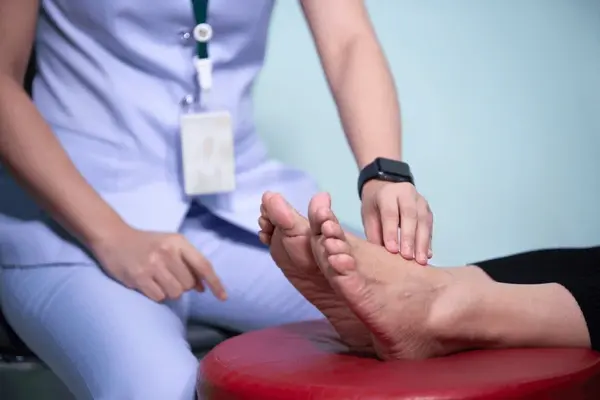
After the assessment, our podiatrist will explain whether any further care is recommended. Depending on the findings, this may involve monitoring, footwear advice, stretching or strengthening exercises, or orthotics where clinically appropriate. Some children may only need reassurance and guidance, while others may benefit from follow-up appointments.
Why Choose Austral Podiatry for Growth and Development Assessments?
Understanding a child’s foot development requires consideration of their age, movement, symptoms, and overall activity. At Austral Podiatry, Sabrina Hatem, a Bachelor of Podiatric Medicine and member of the Australian Podiatry Association, leads an owner-operated practice focused on individual assessment and clear communication with families.
Our approach includes:
Age-Appropriate Assessment
Considering your child’s developmental stage, symptoms, and activity level during the evaluation.
Holistic Care
Looking at foot posture, movement, flexibility, and strength rather than focusing on one finding alone.
Individualised Recommendations
Tailoring guidance to your child’s assessment findings rather than applying the same approach to every child.
Clear Communication
Explaining the findings in plain language so you understand what they mean for your child’s development.
Ongoing Monitoring
Recommending follow-up assessments when appropriate to review changes as your child grows.
Accessible Clinic
Our clinic is located inside Austral Health Medical Centre, with on-site parking and elevator access.
Flexible Payment Options
We accept Medicare for eligible patients with a valid GP Management Plan or Team Care Arrangement, as well as DVA, WorkCover, and private health insurance. HICAPS is available on-site for health fund claims. Austral Podiatry does not bulk bill.
Our aim is to help you understand your child’s foot and lower limb development and determine whether any additional support is needed.
Support Your Child's Foot Development
If you have concerns about your child’s walking pattern, foot posture, or recurring discomfort, an assessment can help you understand what may be contributing to the issue. At Austral Podiatry, we take your child’s individual needs into account and explain the available options before recommending further care.
If you are looking for growth and development assessments near you, call (02) 8104 1242 to book an appointment. Visit us at Suite 1, Level 1, 101 Browns Road, Austral NSW 2179, inside Austral Health Medical Centre.
Frequently Asked Questions
At what age should my child have a growth and development assessment?
An assessment may be helpful once your child begins walking if you notice concerns about their movement, foot posture, or comfort. It can also be considered later in childhood if recurring pain, unusual walking patterns, or difficulties with physical activities develop.
Are flat feet in children always a concern?
No. Flat feet are common in young children and may change as their feet develop. If flat feet are accompanied by pain, fatigue, or difficulty with movement, an assessment can help determine whether monitoring or further care may be appropriate.
What happens during a growth and development assessment?
Our podiatrist reviews your child’s developmental history and examines relevant aspects of foot posture, movement, muscle strength, and joint flexibility. The findings help guide recommendations, which may include monitoring, footwear advice, exercises, or orthotics where appropriate.
Will my child need treatment after the assessment?
Not necessarily. Some children need only reassurance and guidance, while others may benefit from monitoring or additional support. Recommendations depend on your child’s symptoms, developmental stage, and assessment findings.
What should I bring to my child's appointment?
Bring your child’s usual footwear, including school shoes and sports shoes if relevant. You can also share details about recurring symptoms, movement concerns, or any previous assessments and relevant reports that may help our podiatrist understand the situation.