What is Sleep Apnea?

what is sleep apnea

What is Sleep Apnea?

Sleep apnea is a severe sleep disorder that disrupts breathing while you sleep. The most common type is Obstructive Sleep Apnea (OSA). OSA happens when your breathing repeatedly stops and starts during the night because your airway becomes blocked.

At Sleep Apnea Center SD, we help patients understand their condition and find safe, effective treatment options that improve sleep and overall health.

What is Obstructive Sleep Apnea (OSA)?

Obstructive Sleep Apnea begins when the airway becomes blocked due to overly relaxed throat muscles during sleep. When this happens:

The airway becomes narrow or entirely blocked

Air cannot flow freely into the lungs

Breathing pauses for several seconds

The brain briefly wakes you up to restart breathing.

These interruptions may occur dozens or even hundreds of times each night. Many people do not realize it is happening. OSA is the most common form of sleep apnea. Other forms exist, but OSA affects the majority of patients.

What are the Danger Signs of Sleep Apnea?

Sleep apnea often goes unnoticed by the person who has it. Bed partners are usually the first to notice symptoms.

Common Warning Signs

Loud, chronic snoring

Gasping or choking sounds during sleep

Pauses in breathing

Waking up feeling tired

Morning headaches

Dry mouth upon waking

Difficulty concentrating

Irritability or mood changes

Health Conditions Linked to OSA

Obstructive sleep apnea may also worsen other medical conditions, including:

Type 2 diabetes

Weight gain

Acid reflux

High blood pressure (hypertension)

Excessive daytime sleepiness

Non-restorative sleep

Ongoing fatigue

While not every condition is directly caused by OSA, untreated sleep apnea often makes these problems worse. If you feel tired even after a whole night in bed, your sleep may not be restorative. That is a key sign to seek evaluation.

What is the Gold Standard Treatment for Sleep Apnea?

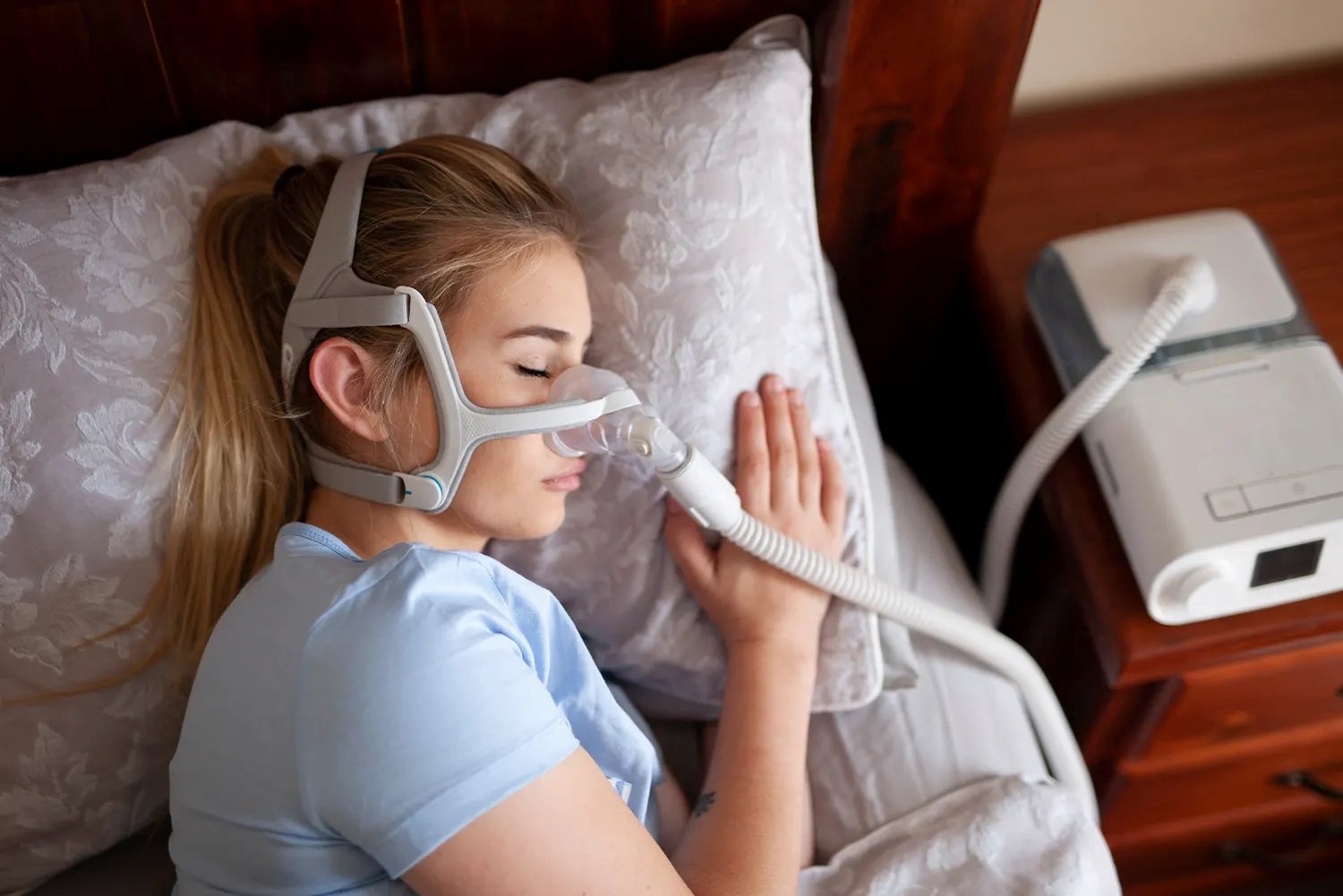
CPAP therapy is the most common treatment for moderate to severe sleep apnea.

How CPAP Works

A machine delivers steady air pressure

The air flows through a nasal or full-face mask

The pressure keeps the throat muscles from collapsing

The airway stays open during sleep

CPAP machines and masks come in different styles to match each patient’s needs. A Board-Certified Sleep Physician determines the best setup.

The Challenge With CPAP

Although CPAP is highly effective, many patients struggle with:

Mask discomfort

Dryness

Noise

Feeling restricted

Poor compliance is a common issue. Some patients stop using CPAP because they find it uncomfortable.

What is Oral Appliance Therapy (OAT)?

For many people with mild to moderate obstructive sleep apnea, Oral Appliance Therapy (OAT) is a comfortable and effective alternative.

These devices are often called:

Mouthpieces

Mandibular Advancement Devices (MAD)

How Oral Appliances Work

The device:

Gently moves the lower jaw forward

Opens the bite slightly

Prevents soft tissues and the tongue from collapsing backward

Keeps the airway open throughout the night

The jaw can still move naturally, but it cannot fall back into a position that blocks breathing.

Why Patients Prefer Oral Appliances

Many patients find oral appliances:

Easier to wear

More comfortable

Quiet

Travel-friendly

Easier to maintain

As a result, patients are often more consistent in wearing them than with CPAP.

Oral Appliance Therapy is a recognized treatment for sleep apnea and is often covered by medical insurance.

It is essential to receive this treatment from a dentist trained in sleep medicine. Proper evaluation ensures the device is right for your specific condition.

Do Alcohol or Sleep Medications Help?

Many people try alcohol or sleep medications to improve rest. However, these can worsen sleep apnea.

Alcohol

Increase airway blockage

Make snoring louder

Worsen breathing interruptions

It does not treat sleep apnea.

Prescription Sleep Medications

Under close supervision

After proper evaluation

With guidance from a Board-Certified Sleep Physician

They are often prescribed without fully addressing the underlying breathing disorder.

Natural Supplements

Some supplements may support sleep when appropriately used:

Melatonin (in recommended doses only)

Herbal aids such as lavender

These may help regulate sleep patterns but do not treat airway obstruction.
Can Light Therapy Help Sleep Disorders?

Some patients struggle with Circadian Rhythm Disorders, which affect the body’s internal sleep clock.

Light therapy can help regulate sleep patterns.

Blue Light and Sleep

Exposure to certain types of light signals the brain to stay awake

Reducing blue light at night helps the brain prepare for sleep

Tools that may help include:

Blue-light blocking glasses

Color-filtering lenses

Device features like Apple Night Shift

Modern electronics now adjust screen lighting to align better with natural sleep cycles.

These approaches are straightforward, noninvasive ways to support healthy sleep habits.

Can Behavioral Therapy Improve Sleep?

Yes. Behavioral therapy is often invaluable.

Working with a:

Psychiatrist

Sleep psychologist

Behavioral therapist

It can improve sleep habits by using established protocols and techniques.

What Behavioral Therapy May Treat

It may treat:

Insomnia

Anxiety related to sleep

Bedtime habits

Irregular sleep schedule

At Sleep Apnea Center SD, we can direct you to credible sources and experts who can assist you.

Oral Appliance Therapy is a recognized treatment for sleep apnea and is often covered by medical insurance.

It is essential to receive this treatment from a dentist trained in sleep medicine. Proper evaluation ensures the device is right for your specific condition.

When Should You Seek Help?

You should book an appointment if you are experiencing:

Loud snoring

Fatigue

Morning headaches

Difficulty focusing

Reports of breathing pauses during sleep

Sleep apnea does not improve on its own. Early diagnosis can protect your heart, brain, and overall health.

Your Path to Better Sleep Starts Here

At Sleep Apnea Center SD, we carefully assess your symptoms and recommend the proper treatment for your needs — whether CPAP, Oral Appliance Therapy, or behavioral support.

Better sleep means better health and renewed energy. If you think you may have sleep apnea, call (858) 201 -9483 or email SleepApneaCenterSD@gmail.com to schedule your consultation today. We’re here to help you breathe easier and sleep better.