
Our treatment Process
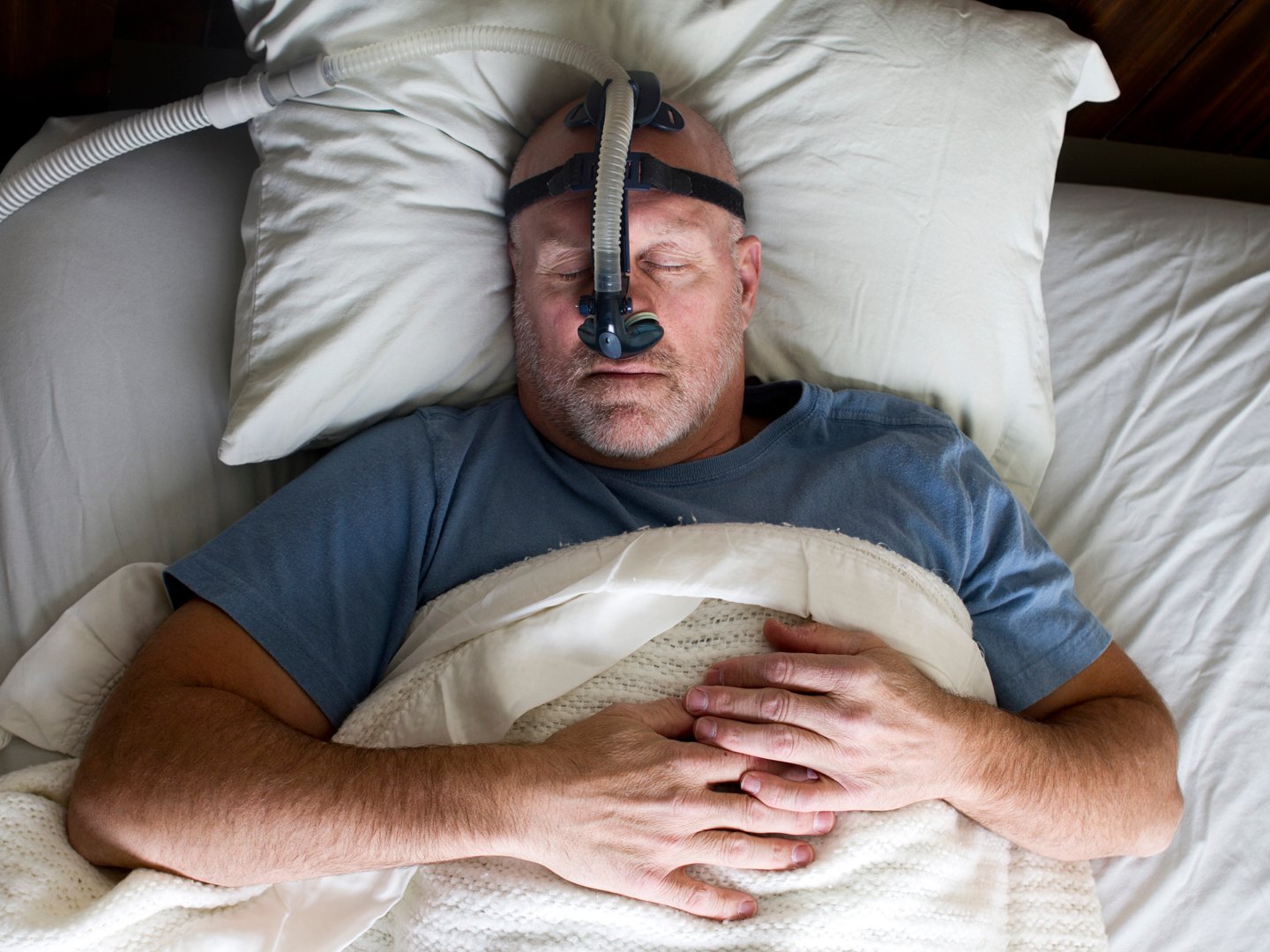
Our Treatment: The Better Sleep Process
Our goals are simple:
Help you understand your sleep problem.
Arrange sleep testing if needed.
Coordinate care with your physician.
Provide a customized treatment plan.
Improve your sleep quality and overall health.
Step I – Consultation and Evaluation
Oral Appliance Therapy gently repositions the lower jaw to keep your airway open during sleep.
It’s essential to find the correct jaw position. Studies show that advancing the jaw too far does not continually improve results and may cause discomfort. Instead, we focus on identifying the “sweet spot” — where the airway is opened just enough for optimal breathing without causing strain.
The Fitting Process Includes:
Digital computer scan impressions of your teeth
Recording the ideal lower jaw position
Custom fabrication of your appliance
Determine potential factors that may impact your sleep.
We begin the screening process with a short sleep questionnaire. The results help determine whether you may be at risk for obstructive sleep apnea (OSA). If your responses suggest a possibility of sleep apnea, we can discuss next steps, including sleep testing.
You can download our sleep questionnaire, complete it at home, and bring it to your appointment — or email it to SleepApneaCenterSD@gmail.com. This first step is critical because it enables us to determine the most appropriate course of action for your unique situation.
Step II – Sleep Testing
If testing is needed, the next step is an overnight sleep study, medically known as polysomnography (PSG).
Sleep testing can be completed in two ways:
1. In-Lab Sleep Study
Conducted in a sleep lab under the supervision of a sleep technologist. This method can produce very detailed results. During the study, CPAP or an oral appliance may be tested to determine which works best to stop breathing disruptions.
This Herbst-type appliance is reliable and has been approved by Medicare.
Some features:
- Movable metal rods on both sides.
- Accurate advancement of the lower jaw.
- Adjustment of the lower jaw position by your dentist.
- Durable and secure.
The rods allow the lower jaw to be moved forward to an exact position.
2. Home Sleep Testing
Advanced medical equipment allows testing in the comfort of your own home. These devices measure:
- Breathing patterns
- Heart rate
- Oxygen levels
- Snoring intensity
- Sleep position
- Brain activity (in some tests)
We may refer you to a board-certified sleep physician or recommend a home sleep test provider certified by a medical professional. Some providers will visit your home to set up the equipment and assist with insurance billing.
Our office also offers:
- Take-home pulse oximetry devices
- Level 3 Ares Sleep testing units
Step III – Prescription and Treatment Planning
After your sleep study is completed, a board-certified sleep physician will review the results and determine the best course of treatment.
For moderate to severe OSA, Continuous Positive Airway Pressure (CPAP) therapy is often the first recommendation. However, if you cannot tolerate CPAP or prefer an alternative, the physician may prescribe Oral Appliance Therapy. If oral appliance therapy is recommended, the prescription is sent to our office so we can begin designing your customized device.
At this stage, we will:
Discuss available oral appliance options
Determine the optimal lower jaw positioning
Evaluate airway measurements
Use advanced tools, such as pharyngometer sound-wave testing, to predict the most effective jaw position.
Our goal is to design an appliance that maximizes comfort and effectiveness.
Step IV – Treatment and Fitting
Oral Appliance Therapy gently repositions the lower jaw to keep your airway open during sleep.
It’s essential to find the correct jaw position. Studies show that advancing the jaw too far does not continually improve results and may cause discomfort. Instead, we focus on identifying the “sweet spot” — where the airway is opened just enough for optimal breathing without causing strain.
The Fitting Process Includes:
Digital computer scan impressions of your teeth
Recording the ideal lower jaw position
Custom fabrication of your appliance
Once your device is ready, you will receive it with clear instructions for using it at home.
Follow-Up and Ongoing Care
After wearing the appliance for several weeks, you will return for a follow-up appointment.
During this visit, we evaluate:
How well are you adjusting to the appliance
Improvements in daytime energy
Reduction in snoring
Decrease in gasping or choking episodes
Feedback from your bed partner
If needed, we make minor adjustments to improve comfort and effectiveness.
In some cases, a follow-up sleep test may be recommended to confirm that the appliance is effectively treating your sleep apnea. Regular follow-up visits ensure your mandibular advancement device (MAD) remains positioned adequately for long-term success.
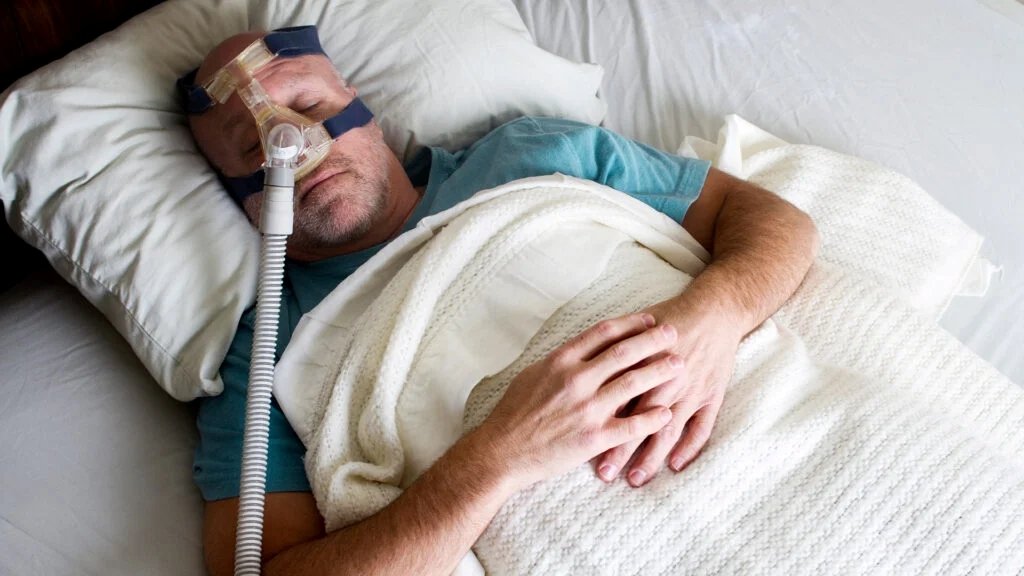
Start Your Journey to Better Sleep
You do not have to live with restless nights, loud snoring, or daytime fatigue. Our team at Sleep Apnea Center SD is here to guide you every step of the way.
Call us today at (858) 201-9483 or email us at SleepApneaCenterSD@gmail.com. Better sleep starts here.