
Sleep apnea is a common but often overlooked condition that affects how you breathe during sleep. Many people ignore the early warning signs, thinking it is just snoring or poor sleep. But catching these symptoms early can help prevent serious health issues and improve your quality of life.
This guide will help you understand the early signs of Sleep Apnea and when you should consider getting screened.
What Is Sleep Apnea
Sleep apnea is a condition where your breathing repeatedly stops and starts during sleep. These pauses can last for a few seconds to even minutes and may happen multiple times throughout the night.
Common Types
| Type | Description |
|---|---|
| Obstructive Sleep Apnea | Caused by airway blockage during sleep |
| Central Sleep Apnea | Brain fails to signal breathing muscles properly |
| Complex Sleep Apnea | Combination of both |
Early Signs of Sleep Apnea
Recognizing symptoms early is key. Here are the most common warning signs you should not ignore:
1. Loud and Persistent Snoring
- One of the most noticeable signs
- Often reported by partners or family members
- May include choking or gasping sounds
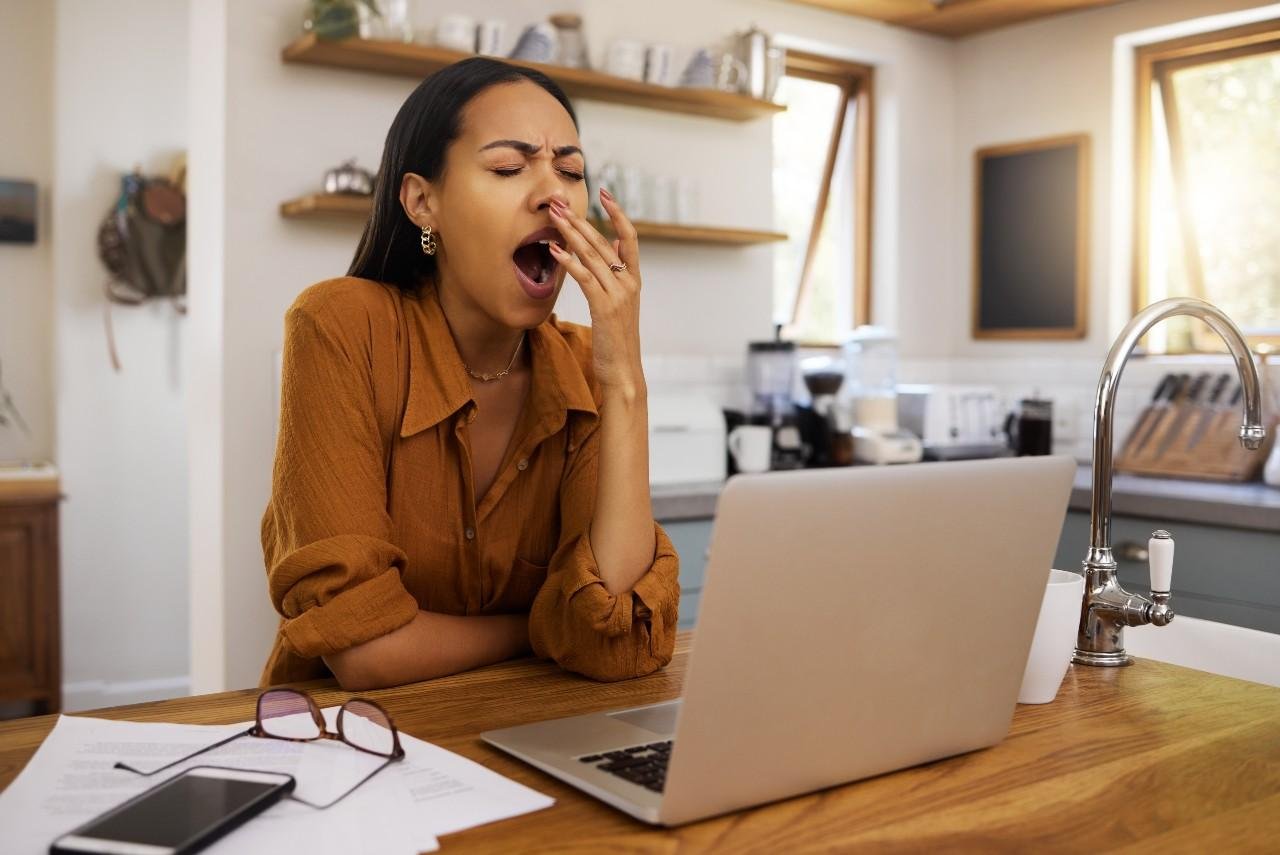
2. Daytime Fatigue and Sleepiness
- Feeling tired even after a full night’s sleep
- Difficulty staying awake during the day
- Reduced productivity and focus
3. Morning Headaches
- Frequent dull headaches after waking up
- Caused by low oxygen levels during sleep
4. Gasping or Choking During Sleep
- Sudden awakenings with shortness of breath
- Feeling like you cannot breathe properly
5. Difficulty Concentrating
- Memory issues
- Trouble focusing on tasks
- Increased irritability
6. Dry Mouth or Sore Throat in the Morning
- Caused by mouth breathing overnight
- Often paired with snoring
7. Frequent Nighttime Awakenings
- Interrupted sleep cycles
- Waking up multiple times without clear reason
Who Is at Risk
Certain factors can increase your chances of developing sleep apnea:
- Excess weight
- Large neck circumference
- Family history
- Smoking or alcohol use
- Nasal congestion
- Age over 40
Why Early Detection Matters
Ignoring early symptoms can lead to serious health complications:
- High blood pressure
- Heart disease
- Type 2 diabetes
- Poor mental health
- Increased accident risk due to fatigue
Early screening helps prevent these issues and improves long term health outcomes.
Quick Self Check Table
| Symptom | Frequency | Should You Get Screened |
|---|---|---|
| Loud snoring | Regular | Yes |
| Daytime fatigue | Daily | Yes |
| Morning headaches | Frequent | Yes |
| Occasional snoring | Rare | Monitor |
Treatment Options Beyond CPAP
While a CPAP Machine is commonly prescribed, many patients struggle with comfort and compliance.
Popular CPAP Alternatives
- Oral appliance therapy designed by dental professionals
- Positional therapy to improve sleep posture
- Lifestyle changes like weight management
- Customized treatment plans based on severity
These options can be more comfortable and easier to maintain for many patients.
FAQs
How do I know if I need a sleep apnea test?
If you experience multiple symptoms like snoring, fatigue, and headaches, it is recommended to get screened.
Are home sleep tests accurate?
Yes, for many patients they provide reliable initial diagnosis, especially for moderate to severe cases.
Can dentists help with sleep apnea?
Yes, dentists trained in sleep medicine can provide oral appliance therapy as an alternative to CPAP.
Final Thoughts
Ignoring the early signs of sleep apnea can impact your health more than you realize. The sooner you recognize the symptoms, the sooner you can take control of your sleep and overall well being.
At Sleep Apnea Center SD, we focus on patient comfort and long term results. If you are struggling with CPAP or looking for a more convenient solution, our customized CPAP alternative treatments like oral appliance therapy are designed to fit your lifestyle while effectively managing sleep apnea.
Take the first step today and get properly screened. Better sleep starts with the right diagnosis and the right treatment.