
Eruption of Your Child’s Teeth
The eruption of baby teeth is an important part of a child’s growth and development. While every child develops at their own pace, most children follow a similar pattern as their primary teeth begin to emerge.
Baby teeth do much more than help create a smile. They play an important role in chewing, speaking, jaw development, and making space for permanent teeth. Understanding when teeth typically erupt can help parents know what to expect during the early years.
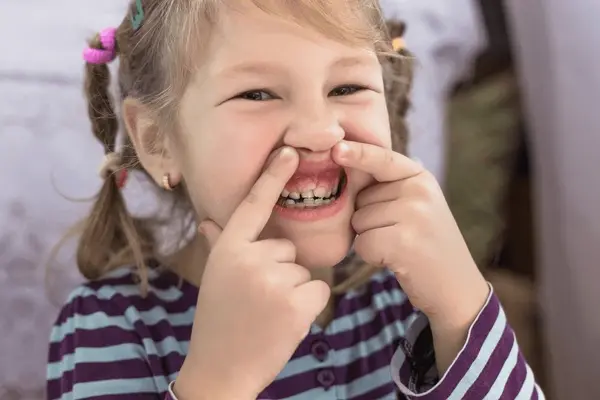
Why Baby Teeth Are Important
Baby teeth, also called primary teeth, begin developing before birth and continue to emerge during infancy and early childhood. Although these teeth will eventually fall out, they serve several important purposes while your child is growing.
Baby teeth may help:
Support speech development
Allow children to chew food properly
Guide permanent teeth into position
Maintain space for adult teeth
Keeping baby teeth healthy is important for your child’s overall oral health. Proper care can help lower the risk of tooth decay, infection, discomfort, and early tooth loss.
When Do Baby Teeth Come In?
Most children begin teething between six and twelve months of age. The timing may vary, but baby teeth generally erupt in a predictable order.
The first teeth to appear are the lower front teeth, followed by the upper front teeth. As your child grows, additional teeth gradually emerge until the full set of baby teeth is present.
The timeline includes:
Front teeth, or central incisors — 6 to 12 months
Teeth beside the front teeth, or lateral incisors — 9 to 16 months
First molars — 13 to 19 months
Canine teeth, or cuspid teeth — 16 to 23 months
Second molars — 23 to 33 months
By around age 3, most children have all 20 primary teeth. It is important to remember that every child is different. Some children may get their teeth earlier or later than the general guidelines suggest.
Caring for New Teeth
Good oral hygiene should begin as soon as the first tooth appears. Early dental care helps keep teeth healthy and allows children to develop positive oral hygiene habits.
Parents may be advised to:
Clean teeth and gums every day
Use a soft toothbrush designed for children
Monitor changes in the mouth
Schedule routine dental visits
The American Dental Association recommends scheduling a child’s first dental visit within six months of the first tooth appearing or by the child’s first birthday.
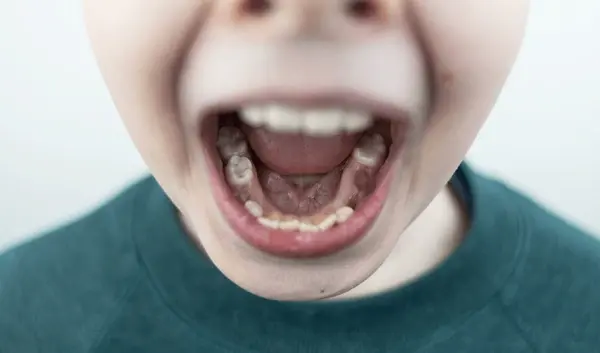
What Happens When Baby Teeth Start Falling Out?
As children get older, their baby teeth naturally become loose and fall out to make room for permanent teeth. This process usually begins around age 6 and continues over several years as adult teeth gradually come in.
During this stage, it is completely normal for children to have a mix of baby teeth and permanent teeth. Regular dental visits help track your child’s dental development.
Why Parents Choose West Lake Dental Center
Many parents have questions about teething, baby teeth, and how their child’s smile develops. Knowing what to expect at each stage can make it easier to support your child’s oral health as they grow.
At West Lake Dental Center, we help families understand their child’s dental development and provide guidance on healthy oral habits that support growing smiles.
Learn More About Your Child’s Dental Development
Every child develops at their own pace, and questions about teething and tooth eruption are common. At West Lake Dental Center, our team is here to help you understand each stage of your child’s oral development and provide the care and guidance your family needs. Contact us today to schedule an appointment.
Frequently Asked Questions
When should my child get their first tooth?
Most children get their first tooth between six and twelve months of age, although some children may develop teeth earlier or later.
How many baby teeth will my child have?
Most children have 20 baby teeth by about age 3.
When should my child first visit the dentist?
Children should generally visit the dentist within six months of their first tooth appearing or by their first birthday.
Is it normal to have baby teeth and adult teeth at the same time?
Yes. Many children have a mix of baby teeth and permanent teeth while their adult teeth continue to come in.