
Metatarsalgia Treatment in Upland, CA
Metatarsalgia Treatment Near You
Pain beneath the front of your foot can make each step feel as though you are walking on a pebble. At Family Foot & Ankle Center, we provide metatarsalgia treatment in Upland, CA, to identify what is placing stress on the ball of your foot and recommend care based on the cause.
Forefoot pain may develop gradually or appear after a change in exercise, footwear, or daily activity. If you are looking for metatarsalgia treatment near you, we can assess your symptoms, foot structure, and movement to determine what may be contributing to the discomfort.

What Is Metatarsalgia?
Metatarsalgia is a general term for pain in the ball of the foot, usually beneath the heads of the metatarsal bones just behind the toes. It is a symptom rather than one specific diagnosis, and several different problems can cause pain in this area.
Possible causes and contributing factors include:
Repetitive running, jumping, or other high-impact activity
A sudden increase in exercise or time spent standing
Tight, narrow, high-heeled, or poorly cushioned shoes
High arches, flat feet, or uneven pressure across the forefoot
Bunions, hammertoes, or other structural changes
Thinning of the protective fat pad beneath the foot
Tight calf muscles or limited ankle flexibility
Arthritis, joint inflammation, or a plantar plate injury
A neuroma, stress fracture, or other forefoot condition
Because these problems can produce similar symptoms, an accurate evaluation is important. Our podiatrist in Upland, CA, can examine the painful area and determine whether your symptoms are consistent with metatarsalgia or another condition.
When to See a Podiatrist for Ball-of-the-Foot Pain
Consider visiting a podiatrist near you if you have any of the following symptoms:
Aching, burning, or sharp pain beneath the forefoot
Pain that worsens while standing, walking, or running
Discomfort when walking barefoot on a hard surface
A sensation of a pebble or folded sock under the foot
Tingling or numbness that extends into the toes
Calluses beneath the ball of the foot
Pain that keeps returning or limits normal activities
Swelling, bruising, or tenderness after increased activity
Seek prompt medical care if you cannot bear weight, the foot has changed shape, you heard a snap at the time of an injury, or the area is hot, swollen, and painful. If you have diabetes, reduced circulation, or loss of sensation, have new foot pain evaluated promptly.
What Are the Benefits of Metatarsalgia Treatment?
Appropriate care may:
Clarify the cause
An evaluation can distinguish pressure-related pain from a neuroma, stress fracture, joint problem, or another condition.
Reduce forefoot pressure
Footwear changes, pads, or orthotics may redistribute pressure away from sensitive areas.
Improve daily comfort
Addressing contributing factors may make standing and walking more manageable.
Guide activity changes
A tailored plan can help you modify aggravating activities while maintaining suitable movement.
Address related problems
Treatment may account for bunions, hammertoes, tight calf muscles, or other contributing conditions.
Protect vulnerable skin
Managing pressure may help reduce recurring calluses and irritation.
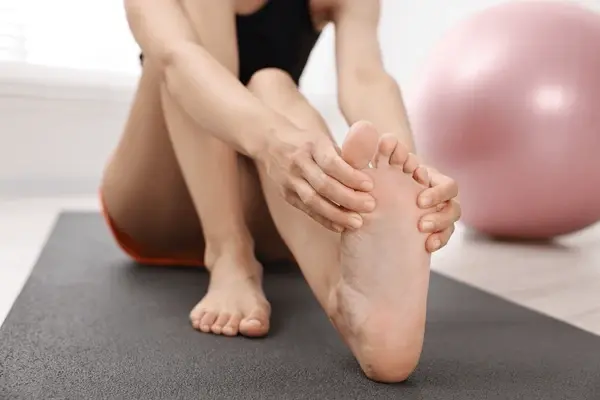
Metatarsalgia Treatment Options
Treatment depends on the underlying cause and the severity of your symptoms. Options may include:
Activity modification
Temporarily reducing high-impact exercise may give irritated tissues time to recover.
Footwear changes
Shoes with adequate width, cushioning, and support may reduce pressure on the forefoot.
Metatarsal pads
Properly positioned pads may redistribute pressure away from the painful area.
Orthotic devices
Custom or noncustom inserts may improve support or pressure distribution when appropriate.
Stretching exercises
Calf and foot stretches may help when muscle tightness increases forefoot pressure.
Cold therapy
Applying a wrapped cold pack for a limited period may help manage discomfort after activity.
Medication guidance
Pain-relieving or anti-inflammatory medication may be considered when medically appropriate.
Condition-specific care
A stress fracture, neuroma, joint injury, or structural problem may require a different treatment plan.
Surgery is not a routine treatment for general metatarsalgia. It may be considered only when a specific structural condition causes persistent symptoms and appropriate nonsurgical care has not helped.
What to Expect During Your Metatarsalgia Visit
When providing metatarsalgia treatment in Upland, CA, we usually follow these steps:
Discuss your symptoms
We ask where the pain occurs, when it began, and which activities or shoes make it worse.
Examine your foot
We check for tenderness, swelling, calluses, joint changes, and differences in foot structure.
Assess movement
We evaluate flexibility, strength, toe movement, and how pressure travels through your foot.
Review your footwear
We may examine your shoes for fit, cushioning, and uneven wear.
Observe your gait
We look at how you stand and walk to identify patterns that increase forefoot pressure.
Consider imaging
X-rays or other imaging may be recommended when a fracture, arthritis, or another condition is suspected.
Create a care plan
We explain our findings and recommend options suited to the likely cause and your activities.
Why Choose Family Foot & Ankle Center for Metatarsalgia Treatment?
Ball-of-the-foot pain can have several possible causes. At Family Foot & Ankle Center, we offer:
Focused examinations
We assess the painful area instead of assuming every case has the same cause.
Individualized plans
We tailor recommendations to your symptoms, footwear, activities, and foot structure.
Conservative care
We begin with appropriate nonsurgical options whenever possible.
Practical guidance
We explain how footwear, activity, and pressure may affect your symptoms.
Clear communication
We help you understand our findings and the purpose of each recommendation.
Ongoing support
We monitor your response and adjust the plan when needed.
Take Pressure Off the Ball of Your Foot
Forefoot pain can affect your work, exercise, and everyday movement. At Family Foot & Ankle Center, we offer metatarsalgia treatment near you to investigate the source of the discomfort and help reduce pressure on the affected area.
Call us at (909) 920-0884 or visit our office at 984 W Foothill Blvd Ste B, Upland, CA 91786, United States, to schedule an appointment.
Frequently Asked Questions
What does metatarsalgia feel like?
It may feel like an ache, a burning sensation, sharp pain, or pressure beneath the ball of the foot. Some patients describe feeling as though a pebble or folded sock is inside the shoe.
Is metatarsalgia a specific medical condition?
Metatarsalgia is a general term for pain in the forefoot rather than a single diagnosis. The pain may be related to pressure, overuse, footwear, joint problems, nerve irritation, or another underlying condition.
Can metatarsalgia improve without surgery?
Many cases improve with nonsurgical measures such as activity changes, supportive footwear, pads, orthotics, or appropriate exercises. The recommended approach depends on what is causing the pain.
Do orthotics always help with metatarsalgia?
Not everyone needs orthotics. They may help when foot structure or pressure distribution contributes to symptoms, but changes in footwear or a metatarsal pad may be sufficient for some patients.
How long does metatarsalgia take to improve?
The timeline varies according to the cause, severity, and duration of the symptoms. Some cases improve within several weeks after the aggravating pressure is addressed, while others require longer or condition-specific care.