
Heel Pain Treatment in Upland, CA
Heel Pain Treatment Near You
Heel pain can make the first steps out of bed uncomfortable and turn a normal day of standing or walking into a challenge. At Family Foot & Ankle Center, we provide heel pain treatment in Upland, CA, to determine what is causing the discomfort and recommend care suited to your condition.
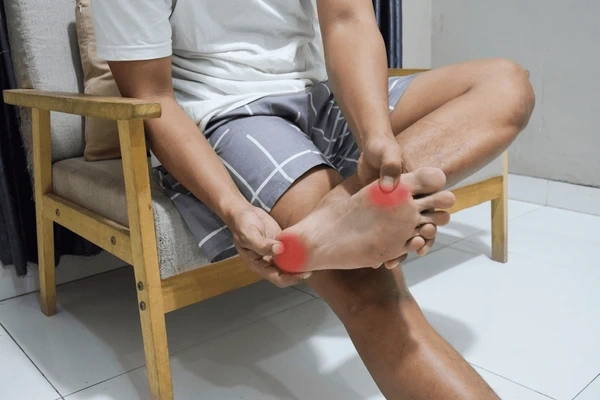
The location and timing of your symptoms can provide useful clues. Pain beneath the heel may have a different cause from pain at the back of it. If you are looking for heel pain treatment near you, we can examine the affected area and help you understand your options.
What Is Heel Pain Treatment?
Heel pain is a symptom rather than a single condition. It may develop gradually from repeated stress or begin suddenly after an injury.
Possible causes include:
Plantar fasciitis
Irritation or degeneration of the tissue along the bottom of the foot
Achilles tendinitis
Irritation of the tendon connecting the calf muscles to the heel
Bursitis
Inflammation of a small cushioning sac near the back of the heel
Stress fracture
A small crack in the heel bone caused by repeated loading
Heel bruise
An injury to the cushioning tissue beneath the heel
Nerve irritation
Compression or injury that causes burning, tingling, or shooting pain
Arthritis
Joint inflammation that may cause pain and stiffness around the hindfoot
Growth-plate irritation
A possible cause of heel pain in physically active children
Heel spurs may appear on X-rays, but they do not always cause pain. Treatment should focus on the condition responsible for the symptoms rather than the presence of a spur alone.
Our podiatrist in Upland, CA, can evaluate the painful area and determine whether imaging or another type of assessment may be appropriate.
When to See a Podiatrist for Heel Pain
Mild soreness may improve with brief rest and appropriate self-care. However, persistent or severe pain should be examined.
Consider visiting a podiatrist near you if you have any of the following symptoms:
Persistent discomfort
Pain continues for several weeks despite basic home care.
Morning pain
The first steps after getting out of bed repeatedly cause sharp discomfort.
Activity limitations
Pain interferes with standing, walking, work, or exercise.
Visible swelling
The heel becomes swollen, bruised, warm, or red.
Pain at rest
The heel hurts even when you are not standing or walking.
Nerve symptoms
Numbness, tingling, or burning develops around the heel.
Injury-related pain
Symptoms begin after a fall, sudden movement, or increase in activity.
Childhood symptoms
A child has persistent heel pain that limits sports or normal play.
Seek prompt medical attention if you have severe pain after an injury, cannot walk normally, notice an obvious deformity, or develop heel pain with fever.
What Are the Benefits of Heel Pain Treatment?
An accurate diagnosis can help you avoid activities or treatments that may aggravate the problem. Depending on the cause, care may:
Reduce pain during standing or walking
Support an irritated tendon or fascia
Protect an injured bone or soft tissue
Improve comfort in everyday footwear
Guide a gradual return to activity
Identify conditions that require immobilization
Reduce strain on the affected area
The expected results and recovery time depend on the diagnosis. A treatment that helps plantar fasciitis may not be appropriate for a stress fracture, nerve problem, or Achilles tendon injury.
Heel Pain Treatment Options
Your care plan may include:
Activity modification
Temporarily reducing aggravating activities may allow the affected tissue to recover.
Cold therapy
Applying a wrapped ice pack for a limited period may help manage pain and swelling.
Supportive footwear
Properly fitted shoes with suitable cushioning and stability may reduce stress on the heel.
Stretching exercises
A guided program may improve flexibility in the plantar fascia, calf, or Achilles tendon.
Shoe inserts
Heel cups or over-the-counter arch supports may help certain conditions; custom orthotics are not necessary for every patient.
Night splinting
A splint may reduce morning discomfort associated with plantar fasciitis in selected cases.
Bracing or immobilization
A brace or walking boot may protect an injured tendon or stress fracture.
Medication
Pain-relieving or anti-inflammatory medication may be considered when medically appropriate.
Advanced treatment
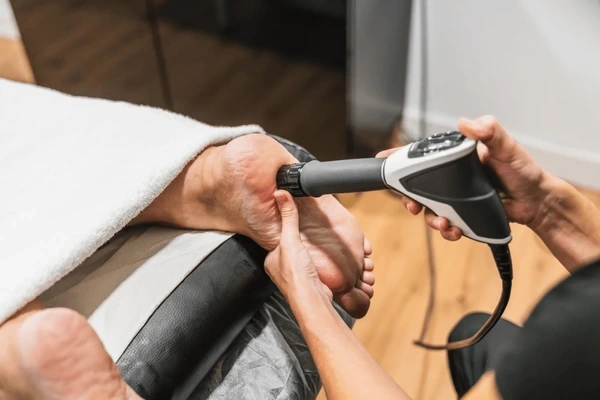
Injections, shockwave therapy, or other procedures may be discussed for certain diagnoses after appropriate evaluation.
Surgical management
Surgery may be considered when a specific condition remains significantly painful after an adequate course of nonsurgical care.
What to Expect During Your Heel Pain Visit
When providing heel pain treatment in Upland, CA, we usually follow these steps:
Discussing your symptoms
We ask where the heel hurts, when the pain began, and what makes it better or worse.
Reviewing your activities
We consider changes in exercise, work demands, footwear, and previous injuries.
Examining the heel
We check for tenderness, swelling, skin changes, flexibility, and range of motion.
Testing foot function
We assess the Achilles tendon, plantar fascia, arch, and surrounding structures.
Observing your movement
We may watch how you stand and walk to identify patterns related to your symptoms.
Considering imaging
X-rays or other imaging may be recommended when a fracture, tendon problem, or another condition is suspected.
Creating your plan
We explain the findings and recommend appropriate treatment, activity changes, and follow-up care.
Why Choose Family Foot & Ankle Center for Heel Pain Treatment?
Heel pain has many possible causes, making a careful examination important. At Family Foot & Ankle Center, we offer:
Location-specific evaluations
We examine where and when the pain occurs to help narrow down its source.
Individual care plans
We consider your diagnosis, routine, footwear, and activity goals.
Conservative options
We consider appropriate nonsurgical management before discussing surgery.
Clear recommendations
We explain which measures may help and how long improvement could take.
Practical activity guidance
We help you understand what to modify while the heel recovers.
Ongoing assessment
We monitor your progress and adjust the plan when necessary.
Move Forward With Less Heel Discomfort
Persistent heel pain can gradually limit work, exercise, and everyday movement. At Family Foot & Ankle Center, we offer heel pain treatment near you to clarify the cause and help you take an informed next step.
Call us at (909) 920-0884 or visit us at 984 W Foothill Blvd Ste B, Upland, CA 91786, United States, to schedule an appointment.
Frequently Asked Questions
What is the most common cause of pain beneath the heel?
Plantar fasciitis is a common cause of pain beneath the heel, particularly when the first steps after rest are uncomfortable. However, other conditions can produce similar symptoms, so an examination may be needed.
Why does my heel hurt more in the morning?
First-step pain is commonly associated with plantar fasciitis. The tissue may become painful when it is loaded again after being relatively inactive overnight, but morning pain alone does not confirm the diagnosis.
Can heel pain improve without professional treatment
Mild symptoms sometimes improve with rest, activity changes, supportive footwear, and cold therapy. Arrange an evaluation if the pain is severe, persists for several weeks, or interferes with normal activities.
Do I need custom orthotics for heel pain?
Not necessarily. Some patients receive enough support from appropriate shoes, heel cups, or over-the-counter inserts. Custom orthotics may be considered when specific foot mechanics or persistent symptoms indicate a need for them.
When is surgery considered for heel pain?
Surgery is uncommon and depends on the underlying diagnosis. It may be discussed when substantial symptoms continue after an adequate period of appropriate nonsurgical treatment.