
Corn and Callus Treatment in Upland, CA
Corn and Callus Treatment Near You
A thick patch of skin may seem harmless until it becomes tender, cracks, or makes every step uncomfortable. At Family Foot & Ankle Center, we provide corn and callus treatment in Upland, CA, to reduce painful pressure and address the friction that caused the skin to thicken.
Corns and calluses can return when the source of pressure remains. If you are looking for corn and callus treatment near you, we can examine the affected area, identify possible contributing factors, and recommend care that fits your needs.
What Is Corn and Callus Treatment?
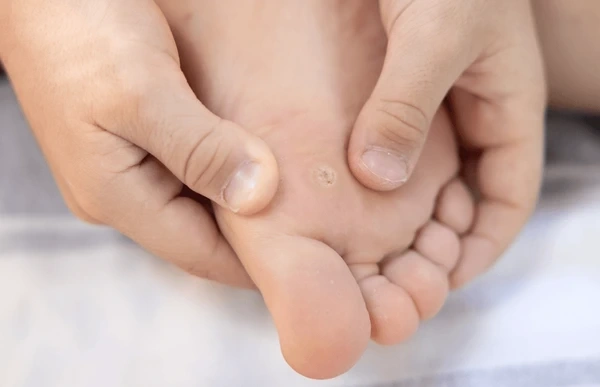
Corns and calluses are thickened areas of skin that develop in response to repeated pressure or friction. Although they form in similar ways, they are not exactly the same.
Corns are usually smaller and deeper, with a firm center that may feel painful when pressed. They often develop on the tops, sides, or between the toes. Calluses tend to cover a wider area and commonly form beneath the heel or ball of the foot. They are often less painful, although a thick callus can become tender or cracked.
Common causes include poorly fitting shoes, repeated activity, uneven pressure, and structural concerns such as bunions or hammertoes. Because warts and other skin conditions may resemble corns, an examination can help clarify the cause of the thickened skin.
Our podiatrist in Upland, CA, can evaluate the area and determine whether professional reduction, pressure relief, footwear changes, or another form of care may be appropriate.
When to See a Podiatrist for Achilles Tendinitis
Consider visiting a podiatrist near you if you have any of the following concerns:
Persistent tenderness
The area hurts while you stand, walk, or wear shoes.
Recurring thickening
The corn or callus returns after you reduce pressure or change footwear.
Broken skin
Cracks, bleeding, drainage, or an open area develops.
Possible infection
Redness, warmth, swelling, or worsening pain surrounds the area.
Uncertain diagnosis
The growth has black dots, bleeds easily, or resembles a wart.
Increased health risks
You have diabetes, poor circulation, reduced sensation, or another condition that affects healing.
Do not cut or shave a corn or callus at home. Doing so can damage healthy skin and lead to infection. If you have diabetes, poor circulation, or numbness, seek professional guidance before trying any home treatment.
What Are the Benefits of Corn and Callus Treatment?
Professional care can safely reduce thickened skin while helping us determine why it developed. Treatment may:
Relieve pressure over a tender area
Improve comfort while walking or wearing shoes
Reduce friction against the surrounding skin
Identify footwear or structural concerns
Lower the risk of cuts caused by unsafe removal
Provide additional protection for patients with vulnerable feet
The results depend on whether the underlying pressure can be reduced. Some corns and calluses may return and require continued care.

Corn and Callus Treatment Options
Your care plan may include:
Professional reduction
We carefully remove layers of excess skin using appropriate instruments.
Protective padding
We may recommend nonmedicated pads to cushion the area and redistribute pressure.
Footwear changes
We help you identify shoes with enough room, support, and cushioning.
Orthotic support
Shoe inserts may help redistribute pressure caused by certain structural or mechanical concerns.
Skin care guidance
We may recommend suitable moisturizing or gentle skincare based on your skin condition.
Underlying-condition care
We discuss treatment when a bunion, hammertoe, or another concern contributes to repeated friction.
Surgery is rarely needed solely for a corn or callus. However, it may be considered in selected cases when a structural deformity repeatedly creates painful pressure and conservative measures have not helped.
What to Expect During Your Visit
When providing corn and callus treatment in Upland, CA, we usually follow these steps:
Reviewing your concerns
We ask about your symptoms, footwear, activities, and relevant medical conditions.
Examining the skin
We assess the location, thickness, tenderness, and condition of the affected area.
Checking your foot structure
We look for prominent bones, toe deformities, or pressure patterns that may contribute to friction.
Confirming the diagnosis
We distinguish the corn or callus from other growths, such as a wart.
Reducing thickened skin
We may carefully trim excess tissue when it is safe and appropriate.
Planning prevention
We explain ways to reduce pressure and discuss whether padding, footwear changes, orthotics, or follow-up care may help.
Why Choose Family Foot & Ankle Center for Corn and Callus Treatment?
Treating the thickened skin is only part of the process. At Family Foot & Ankle Center, we offer:
Careful evaluations
We examine the affected skin and look for factors that may be causing repeated pressure.
Personalized recommendations
We base your care on your symptoms, health, footwear, and foot structure.
Safety-focused treatment
We use professional techniques to reduce the risk of accidental cuts and skin damage.
Practical guidance
We explain how footwear, padding, and daily habits may affect the problem.
Diabetic foot awareness
We take added precautions when reduced sensation, circulation concerns, or healing risks are present.
Clear communication
We explain our findings and recommendations in straightforward language.
Take Pressure Off Painful Feet
A painful corn or callus can interfere with your comfort every time you stand or walk. At Family Foot & Ankle Center, we offer corn and callus treatment near you to reduce discomfort and help protect the affected skin from continued pressure.
Call us at (909) 920-0884 or visit us at 984 W Foothill Blvd Ste B, Upland, CA 91786, United States, to schedule your appointment.
Frequently Asked Questions
Are corns and calluses the same thing?
No. Corns are generally smaller and deeper, and they often have a firm center that hurts when pressed. Calluses usually cover a broader area and commonly develop over weight-bearing parts of the foot.
Is it safe to remove a corn or callus at home?
Do not cut or shave thickened skin yourself because this can cause bleeding or infection. If you do not have diabetes, poor circulation, numbness, or broken skin, gentle use of a pumice stone may sometimes be appropriate. Ask us if you are unsure.
Why do corns and calluses keep returning?
They may return when pressure or friction continues in the same location. Poorly fitting shoes, repetitive activity, walking patterns, bunions, hammertoes, and other structural concerns may contribute.
Does professional reduction hurt?
Because a corn or callus consists mainly of thickened, dead skin, careful reduction often causes little or no discomfort. However, tenderness can vary, particularly if the area is inflamed, cracked, or close to healthy tissue.
When should someone with diabetes seek care for thickened skin?
If you have diabetes, contact a medical professional before treating a corn or callus yourself. Reduced sensation or circulation can make injuries harder to notice and increase the risk of sores or infection.