
Plantar Fasciitis Treatment in Upland, CA
Plantar Fasciitis Treatment Near You
Sharp pain beneath the heel can make the first steps of the morning especially uncomfortable. The pain may ease as you move, only to return after prolonged standing or sitting. At Family Foot & Ankle Center, we provide plantar fasciitis treatment in Upland, CA, to reduce discomfort and help the affected tissue recover.
Heel pain can have several causes, so an evaluation is important when symptoms persist. If you are looking for plantar fasciitis treatment near you, we can examine your foot, consider other possible conditions, and recommend care based on our findings.

What Is Plantar Fasciitis Treatment?
The plantar fascia is a strong band of tissue that runs from the heel bone to the base of the toes. It supports the arch and helps absorb stress while you stand and walk.
Plantar fasciitis involves irritation and degenerative changes where this tissue attaches near the heel. It commonly causes pain beneath the heel, particularly with the first steps after getting out of bed or standing after a period of rest.
Factors that may contribute include:
A sudden increase in walking, running, or exercise
Prolonged standing on hard surfaces
Tight calf muscles or limited ankle flexibility
Shoes that lack suitable support or cushioning
Flat feet, high arches, or certain walking patterns
Increased pressure on the feet
The cause is not always clear, and a heel spur visible on an X-ray does not necessarily cause the pain.
Our podiatrist in Upland, CA, can examine the painful area and determine whether your symptoms are consistent with plantar fasciitis or another heel condition.
When to See a Podiatrist for Plantar Fasciitis
A short period of home care may help mild heel pain. However, symptoms that persist, worsen, or interfere with normal movement should be evaluated.
Consider visiting a podiatrist near you if you notice any of the following:
First-step pain
Sharp discomfort occurs when you get out of bed or stand after resting.
Persistent tenderness
Pain beneath the heel continues for several weeks.
Activity limitations
Discomfort interferes with work, exercise, or normal walking.
Recurring symptoms
The pain improves temporarily but repeatedly returns.
Changes in movement
You begin limping or shifting weight away from the painful heel.
Unusual sensations
Burning, numbness, or tingling accompanies the heel pain.
Visible inflammation
Swelling, redness, or warmth develops around the heel.
Seek prompt medical attention for severe pain following an injury, an inability to bear weight, or heel pain accompanied by fever.
What Are the Benefits of Plantar Fasciitis Treatment?
Appropriate care may reduce strain on the plantar fascia and help you return to normal activities gradually. Depending on your condition, treatment may:
Reduce first-step heel pain
Improve calf and plantar fascia flexibility
Support the foot during standing and walking
Modify activities that aggravate symptoms
Improve comfort in everyday footwear
Rule out other causes of heel pain
Establish a gradual return-to-activity plan
Improvement often takes time. Many patients respond to nonsurgical care, but the pace and extent of recovery vary.
Plantar Fasciitis Treatment Options
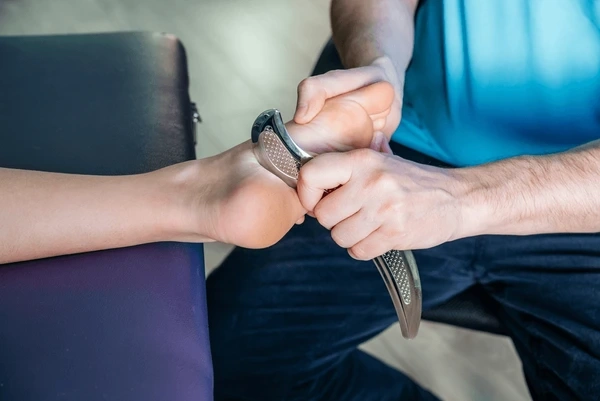
Treatment usually begins with conservative measures. Your plan may include:
Activity modification
Temporarily reducing running, jumping, or prolonged standing may decrease stress on the heel.
Cold therapy
Applying a wrapped ice pack for a limited period may help manage discomfort.
Targeted stretching
Exercises for the plantar fascia, calf, and Achilles tendon may improve flexibility and reduce tension.
Supportive footwear
Shoes with suitable cushioning and arch support may make standing and walking more comfortable.
Shoe inserts
Heel cups or over-the-counter arch supports may help; custom orthotics are not required for every patient.
Night splinting
A splint may maintain a gentle stretch overnight and reduce morning pain in selected cases.
Taping or bracing
Temporary support may reduce strain during certain activities.
Medication
Pain-relieving or anti-inflammatory medication may be considered when medically appropriate.
Advanced procedures
Injections, shockwave therapy, or other procedures may be discussed when symptoms do not respond to initial care.
Surgical management
Surgery is uncommon and generally considered only after persistent, substantial symptoms fail to improve with an extended course of nonsurgical treatment.
Some procedures have mixed evidence or specific risks. We explain their possible benefits and limitations before recommending them.
What to Expect During Your Plantar Fasciitis Visit
When providing plantar fasciitis treatment in Upland, CA, we usually follow these steps:
Discussing your symptoms
We ask where the pain occurs, when it feels worst, and how long it has been present.
Reviewing your routine
We consider work demands, exercise, footwear, and recent changes in activity.
Examining your heel
We check for tenderness along the plantar fascia and surrounding structures.
Testing flexibility
We assess ankle motion, calf tightness, and foot flexibility.
Observing your movement
We may look at how you stand and walk to identify relevant pressure patterns.
Considering imaging
X-rays or other imaging may be recommended when a stress fracture or another condition needs to be ruled out.
Creating your plan
We explain the findings and discuss stretching, footwear, activity changes, and follow-up care.
Why Choose Family Foot & Ankle Center for Plantar Fasciitis Treatment?
An accurate diagnosis helps ensure that heel pain is not being treated with an unsuitable approach. At Family Foot & Ankle Center, we offer:
Careful assessments
We evaluate the heel and consider other possible sources of pain.
Individual treatment plans
We tailor recommendations to your symptoms, activities, and examination findings.
Conservative options
We consider appropriate nonsurgical management before discussing surgery.
Practical instructions
We explain how to perform recommended stretches and modify aggravating activities.
Realistic expectations
We discuss recovery without promising a specific timeline or permanent relief.
Ongoing adjustments
We monitor your response and revise the plan when necessary.
Start Your Day With More Comfortable Steps
Morning heel pain can make each day difficult before it has even begun. At Family Foot & Ankle Center, we offer plantar fasciitis treatment near you to manage discomfort and support a gradual return to your routine.
Call us at (909) 920-0884 or visit us at 984 W Foothill Blvd Ste B, Upland, CA 91786, United States, to schedule an appointment.
Frequently Asked Questions
Why does plantar fasciitis hurt more in the morning?
Pain commonly occurs when the plantar fascia is loaded again after being relatively inactive overnight. The first few steps may be painful, and symptoms may ease as you continue moving.
Can plantar fasciitis improve without a procedure?
Yes. Many cases improve with conservative care such as stretching, activity modification, supportive footwear, and time. A procedure is generally considered only when appropriate nonsurgical measures have not helped.
Do orthotics help plantar fasciitis?
Shoe inserts may redistribute pressure and support the foot, but they do not cure every case. Some patients benefit from over-the-counter inserts, while custom orthotics may be appropriate for selected needs.
How long does recovery take?
Recovery often takes several months, although the timeline varies. The severity and duration of the symptoms, activity demands, and consistency with the care plan can all affect progress.
Can stretching reduce plantar fasciitis pain?
Stretching the plantar fascia, calf, and Achilles tendon can be an important part of care. The exercises should be performed correctly and consistently without forcing the foot into sharp pain.