
Tendon Injury Treatment in Upland, CA
Tendon Injury Treatment Near You
Tendons work with your muscles every time you walk, climb stairs, or push off the ground. When one becomes irritated or torn, ordinary movement can become painful or weak. At Family Foot & Ankle Center, we provide tendon injury treatment in Upland, CA, to identify the affected structure and develop an appropriate recovery plan.
A tendon problem may develop gradually from repeated stress or begin suddenly during an injury. If you are looking for tendon injury treatment near you, we can evaluate your symptoms, determine how the injury affects your movement, and explain your care options.
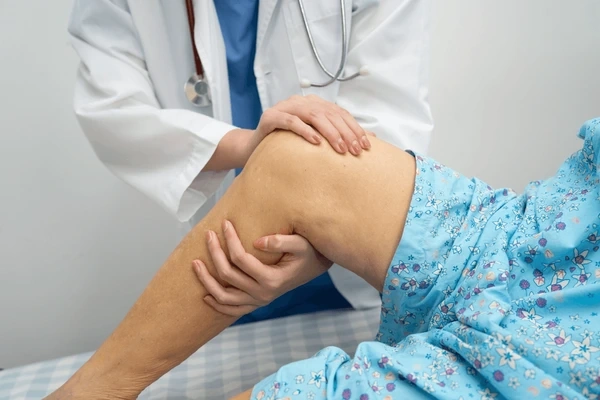
What Is Tendon Injury Treatment?
Tendons are strong bands of tissue that connect muscles to bones. Several tendons help control the foot and ankle, including the Achilles, posterior tibial, peroneal, and anterior tibial tendons.
Tendon problems may include:
Tendinopathy
Painful irritation and degenerative changes caused by repeated stress
Tendinitis
Inflammation that may develop after acute or repetitive strain
Partial tear
Damage affecting some, but not all, tendon fibers
Complete rupture
A full tear that interrupts the tendon’s normal function
Tendon instability
Movement of a tendon out of its normal position
Insertional injury
Damage near the point where a tendon attaches to a bone
Symptoms and treatment vary according to the tendon involved and the extent of the damage. Our podiatrist in Upland, CA, can examine the affected area and determine whether imaging, immobilization, rehabilitation, or surgical evaluation may be appropriate.
When to See a Podiatrist for a Tendon Injury
Mild soreness after unfamiliar activity may improve with rest. However, persistent pain or sudden loss of function requires closer attention.
Consider visiting a podiatrist near you if you notice any of the following:
Persistent pain
Discomfort follows the path of a tendon and does not improve.
Activity-related swelling
Swelling becomes more noticeable during or after movement.
Reduced strength
Pushing off, lifting the foot, or turning the ankle feels weak.
Sudden snapping
You hear or feel a pop at the time of injury.
Walking difficulty
Pain or weakness changes the way you walk.
Loss of function
You cannot rise onto your toes or perform a movement you could do previously.
Changing foot shape
The arch appears lower, or the position of the foot changes.
Recurring symptoms
Pain returns whenever you resume exercise or normal activity.
Seek prompt medical attention after a sudden pop followed by weakness, a visible gap along a tendon, an inability to walk normally, or severe swelling after an injury.
What Are the Benefits of Tendon Injury Treatment?
An accurate diagnosis can distinguish irritation from a partial or complete tear. Depending on the condition, treatment may:
Protect the tendon from additional stress
Reduce pain during daily movement
Restore flexibility and strength gradually
Support the foot or ankle during healing
Address movement patterns that aggravate symptoms
Guide a safe return to work or exercise
Determine whether surgery should be considered
Healing varies considerably. A mild overuse injury and a complete tendon rupture require different treatments and recovery periods.
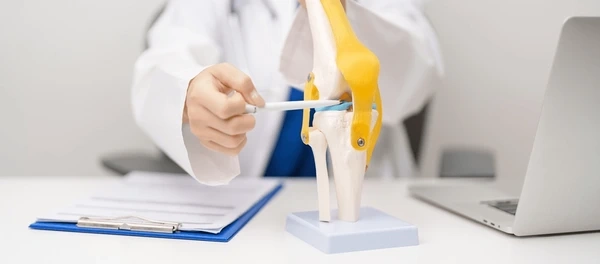
Tendon Injury Treatment Options
Your care plan will depend on the affected tendon, injury severity, overall health, and activity goals. Options may include:
Activity modification
Temporarily reducing aggravating movements may limit further stress.
Cold therapy and elevation
These measures may help manage pain and swelling after selected injuries.
Supportive footwear
Appropriate shoes may reduce strain during standing and walking.
Bracing or immobilization
A brace, splint, cast, or walking boot may protect a painful or torn tendon.
Orthotic support
Inserts may reduce strain on certain tendons by supporting the foot or redistributing pressure.
Rehabilitation exercises
A progressive program may restore motion, strength, balance, and tendon-loading capacity.
Medication
Pain-relieving or anti-inflammatory medication may be considered when medically appropriate.
Advanced procedures
Selected chronic tendon conditions may be treated with shockwave therapy or another procedure after appropriate evaluation.
Surgical management
Surgery may be considered for certain complete ruptures, unstable tendons, severe structural changes, or symptoms that do not improve with nonsurgical care.
Not every tendon tear requires surgery. The decision depends on the tendon, size and location of the tear, functional needs, and potential risks of each approach.
What to Expect During Your Tendon Evaluation
When providing tendon injury treatment in Upland, CA, we usually follow these steps:
Discussing your symptoms
We ask when the pain began, whether an injury occurred, and which movements cause difficulty.
Reviewing your activities
We consider work demands, exercise, training changes, footwear, and previous injuries.
Examining the area
We check for tenderness, swelling, gaps, thickening, and changes in tendon position.
Testing function
We assess strength, range of motion, stability, and your ability to perform tendon-specific movements.
Observing your gait
We may watch how you stand and walk to identify weakness or compensation.
Considering imaging
X-rays may identify related bone changes, while ultrasound or MRI may help evaluate tendon damage.
Creating your plan
We explain the findings and discuss protection, rehabilitation, activity restrictions, or surgical evaluation.
Why Choose Family Foot & Ankle Center for Tendon Injury Treatment?
Each tendon performs a different job, so treatment should reflect the structure involved. At Family Foot & Ankle Center, we offer:
Tendon-specific evaluations
We assess the location of the pain and the movement controlled by the affected tendon.
Individual recovery plans
We consider your injury, health, routine, and activity goals.
Conservative options
We consider appropriate nonsurgical management before discussing surgery.
Functional rehabilitation
We focus on restoring movement and strength at a safe pace.
Clear expectations
We explain why recovery times vary and how progress will be monitored.
Ongoing adjustments
We revise activity limits and treatment as tendon function improves.
Move Forward With the Right Support
A painful or weakened tendon can interfere with every step, especially when the problem remains unexplained. At Family Foot & Ankle Center, we offer tendon injury treatment near you to protect the affected area and guide your recovery.
Call us at (909) 920-0884 or visit us at 984 W Foothill Blvd Ste B, Upland, CA 91786, United States, to schedule an appointment.
Frequently Asked Questions
How can I tell a tendon injury from a muscle strain?
Tendon pain is often located near a joint or where the tendon attaches to a bone, while a muscle strain usually causes pain within the muscle. Because symptoms may overlap, an examination and sometimes imaging are needed.
Can a tendon injury heal without surgery?
Yes. Many overuse injuries and some tendon tears improve with protection, rehabilitation, and time. Complete ruptures and certain unstable or severe injuries may require surgical consideration.
How long does tendon recovery take?
Recovery may take several weeks to many months, depending on the tendon, severity, treatment, and physical demands placed on it. A complete rupture generally takes much longer to heal than a mild overuse injury.
When can I return to exercise?
Return when the tendon has sufficient strength, flexibility, and function for the demands of your activity. Resuming exercise too quickly may delay recovery or increase the risk of reinjury, so progression should be gradual.
Can tendon injuries be prevented?
Not every injury can be prevented. Gradual training increases, appropriate footwear, regular strength and flexibility work, and adequate recovery time may reduce certain risks.