
Foot Ulcer and Wound Care in Upland, CA
Foot Ulcer and Wound Care Near You
A small break in the skin can become a serious concern when pressure, infection, diabetes, or reduced circulation interferes with healing. At Family Foot & Ankle Center, we provide foot ulcer and wound care in Upland, CA, to assess foot wounds, protect vulnerable tissue, and support healing.
Foot wounds should be evaluated promptly, especially if you have diabetes, neuropathy, or circulation problems. If you are looking for foot ulcer and wound care near you, we can examine the area, identify factors that may delay healing, and recommend an appropriate care plan.

What Is Foot Ulcer and Wound Care?
A foot ulcer is an open area where the skin has broken down, sometimes exposing the tissue underneath. Ulcers often develop over pressure points, including the ball of the foot, heel, toes, or a bony prominence. Foot wound care may also address blisters, cuts, pressure injuries, and other wounds that require professional attention.
Diabetes can increase the risk of foot ulcers because nerve damage may reduce sensation, while poor circulation can interfere with healing. Pressure, friction, infection, swelling, and certain foot deformities may also contribute.
Our podiatrist in Upland, CA, can evaluate the wound, check the surrounding skin, assess sensation and circulation, and determine whether additional medical or vascular care is needed.
When to See a Podiatrist for a Foot Wound
Do not wait several weeks to seek care for a foot wound if you have diabetes, neuropathy, or reduced circulation. Consider visiting a podiatrist near you if you notice:
An open sore, blister, cut, or area of broken skin
Redness, warmth, or swelling around a wound
Drainage, pus, bleeding, or an unpleasant odor
A callus with discoloration or an opening underneath
Increasing pain or tenderness near the affected area
Changes in the color or temperature of the foot
A wound that is not showing signs of improvement
Black, blue, pale, or otherwise discolored tissue
Seek urgent medical attention for rapidly spreading redness, fever, chills, severe swelling, black tissue, or other signs of a serious infection.
What Are the Benefits of Foot Ulcer and Wound Care?
Professional wound care may:
Identify contributing factors
An evaluation can reveal pressure, infection, reduced sensation, or circulation concerns.
Remove unhealthy tissue
Debridement may be used when appropriate to remove dead tissue or thick callus from the wound.
Reduce harmful pressure
Offloading devices can help protect the area from repeated pressure while it heals.
Manage wound drainage
Suitable dressings can protect the wound and help maintain an appropriate healing environment.
Monitor for complications
Follow-up visits allow us to identify changes that may require additional treatment.
Lower future risk
Footwear guidance, skin care, and daily inspections may help prevent another wound.
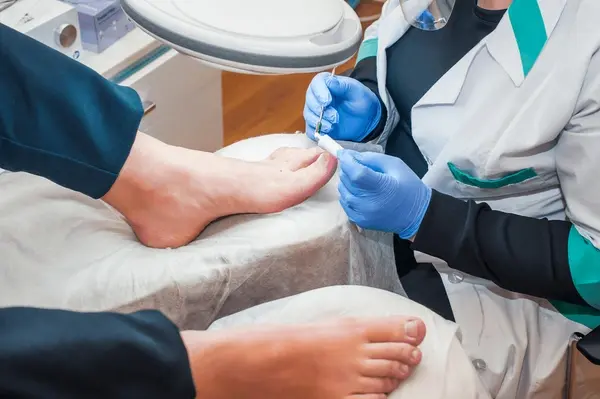
Foot Ulcer and Wound Care Options
Treatment depends on the wound’s location, depth, cause, and surrounding tissue. It may include:
Wound cleaning
We clean the area using an approach appropriate for the wound.
Debridement
We may remove dead tissue or surrounding callus when it is safe and medically appropriate.
Protective dressings
We select dressings based on factors such as drainage, depth, and tissue condition.
Pressure relief
We may recommend padding, special footwear, or another offloading device.
Infection management
When infection is suspected, additional testing, medication, or urgent medical care may be necessary.
Circulation assessment
Findings that suggest reduced blood flow may require further vascular evaluation.
Underlying-condition management
We may encourage you to work with the clinician managing your diabetes or another relevant condition.
What to Expect During Your Wound Care Visit
When providing foot ulcer and wound care in Upland, CA, we usually follow these steps:
Review your health
We discuss your symptoms, medications, diabetes history, circulation, and previous wounds.
Examine the wound
We assess its location, size, depth, drainage, surrounding skin, and signs of infection.
Check your feet
We evaluate sensation, skin temperature, pulses, pressure points, and foot structure.
Clean the area
We clean the wound and remove unhealthy tissue or callus when appropriate.
Relieve pressure
We recommend a suitable way to reduce pressure on the affected area.
Apply a dressing
We protect the wound and explain how to care for the dressing between visits.
Plan follow-up care
We monitor healing and arrange additional testing or referrals when needed.
Why Choose Family Foot & Ankle Center for Foot Ulcer and Wound Care?
Foot wounds require careful assessment and regular monitoring. At Family Foot & Ankle Center, we offer:
Thorough evaluations
We examine the wound and the factors that may be interfering with healing.
Individualized care
We select treatment according to the wound and your overall health.
Pressure management
We help reduce repeated stress on vulnerable tissue.
Clear instructions
We explain dressing care, activity precautions, and warning signs.
Consistent monitoring
We follow the wound closely and adjust treatment as needed.
Coordinated support
We recommend additional medical or vascular evaluation when appropriate.
Protect Your Feet and Your Health
Foot wounds can worsen without obvious pain, particularly when sensation is reduced. At Family Foot & Ankle Center, we offer foot ulcer and wound care near you to identify risks, manage the affected area, and help protect your mobility.
Call us at (909) 920-0884 or visit our office at 984 W Foothill Blvd Ste B, Upland, CA 91786, United States, to schedule an evaluation. Do not delay care if the wound shows signs of infection or changes in circulation.
Frequently Asked Questions
Why might a foot ulcer heal slowly?
Healing may be delayed by repeated pressure, infection, reduced circulation, uncontrolled blood sugar, swelling, or other health conditions. Identifying these factors helps guide treatment.
Can I treat a foot ulcer at home?
A foot ulcer should be professionally evaluated, especially if you have diabetes, neuropathy, or poor circulation. Avoid cutting calluses or applying harsh products to the wound. Follow the dressing and care instructions provided by your clinician.
Does every foot ulcer require antibiotics?
No. Antibiotics treat bacterial infections, not the ulcer itself. They may be prescribed when an infection is diagnosed or strongly suspected.
What is offloading?
Offloading means reducing pressure on the wound. Depending on its location and your needs, this may involve padding, special footwear, a removable device, or another pressure-relieving method.
How can I help prevent another foot ulcer?
Check your feet daily, wear properly fitted shoes, avoid walking barefoot, and manage diabetes according to your medical care plan. Regular foot examinations can also identify pressure points and skin changes before they develop into wounds.