
Foot Deformity Treatment in Upland, CA
Foot Deformity Treatment Near You
Changes in the shape of your feet can make shoes uncomfortable and turn ordinary activities into painful ones. At Family Foot & Ankle Center, we provide foot deformity treatment in Upland, CA, to relieve pressure, improve comfort, and help you move more easily.
Different deformities require different approaches, so an accurate diagnosis is important. If you are looking for foot deformity treatment near you, we can assess your foot structure, symptoms, and walking pattern before recommending care.

What Is Foot Deformity Treatment?
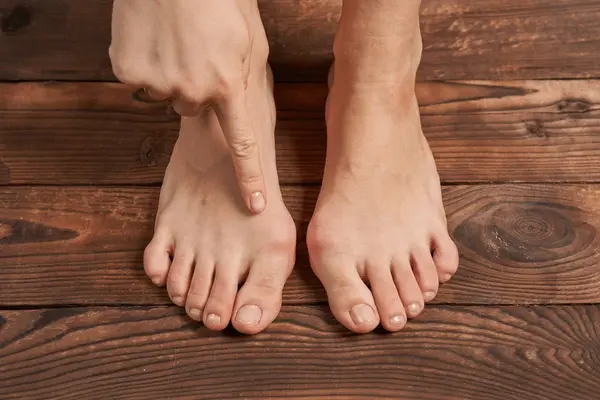
A foot deformity is a change in the shape or alignment of the bones, joints, tendons, or other tissues in the foot. Common examples include bunions, hammertoes, claw toes, flat feet, and unusually high arches. Some deformities are present at birth, while others develop because of inherited foot structure, arthritis, nerve or muscle disorders, injuries, or tendon problems.
Footwear does not cause every deformity, but tight or narrow shoes can increase pressure, aggravate symptoms, and contribute to the progression of certain toe deformities. Treatment depends on the type of deformity, whether it is flexible or rigid, and how much it affects your comfort and mobility.
Our podiatrist in Upland, CA, can examine your feet and determine whether monitoring, nonsurgical care, or a surgical consultation may be appropriate.
When to See a Podiatrist for a Foot Deformity
Not every change in foot shape requires treatment. Consider visiting a podiatrist near you if you notice:
Toes that bend, curl, overlap, or rub against your shoes
A growing bump near the base of the big toe or little toe
Arches that appear unusually low or high
Corns, calluses, or blisters over pressure points
Pain while standing, walking, or wearing shoes
Stiffness or reduced movement in a toe or joint
Difficulty finding shoes that fit comfortably
Redness, skin breakdown, or a wound over a prominent area
If you have diabetes, poor circulation, or reduced sensation, seek care promptly for redness, sores, drainage, or other skin changes.
What Are the Benefits of Foot Deformity Treatment?
Treatment cannot always permanently change the structure of the foot without surgery. However, appropriate care may:
Reduce pressure
Padding, footwear changes, or orthotics may relieve pressure on sensitive areas.
Improve comfort
Treatment may make standing, walking, and wearing shoes less painful.
Protect the skin
Managing pressure points may reduce rubbing, corns, calluses, and skin irritation.
Support movement
Orthotics, braces, or exercises may improve support and function when appropriate.
Clarify your options
An evaluation determines whether continued monitoring, conservative care, or surgery is appropriate.
Foot Deformity Treatment Options
The right treatment depends on your symptoms, health, and the specific deformity. Options may include:
Footwear changes
Shoes with enough width, depth, and support can reduce rubbing and crowding.
Padding or protection
Pads, sleeves, or cushions can protect prominent joints and sensitive skin.
Orthotics or braces
Support devices may redistribute pressure or improve stability without permanently correcting the deformity.
Exercises and stretching
Selected exercises may help maintain flexibility, strength, or joint movement.
Corn and callus care
Professional care can safely reduce thickened skin over pressure points.
Medication
Pain-relieving or anti-inflammatory medication may be considered when medically appropriate.
Surgical care
Surgery may be discussed when a deformity causes significant pain or functional problems that do not improve with nonsurgical treatment.
What to Expect During Your Foot Deformity Visit
When providing foot deformity treatment in Upland, CA, we usually follow these steps:
Discuss your concerns
We ask when you noticed the change and how it affects your shoes, activities, and comfort.
Examine your feet
We assess the shape, alignment, flexibility, joint movement, and strength of each foot.
Check pressure areas
We look for corns, calluses, redness, wounds, and other signs of friction.
Observe your movement
We may examine how you stand and walk to understand how the deformity affects your gait.
Use imaging when needed
X-rays or other tests may help us evaluate the bones, joints, or soft tissues.
Review your options
We explain our findings and recommend care based on your condition and goals.
Why Choose Family Foot & Ankle Center for Foot Deformity Treatment?
Foot deformities can affect each patient differently. At Family Foot & Ankle Center, we offer:
Careful evaluations
We examine both the visible deformity and its effect on movement and comfort.
Individualized plans
We base our recommendations on your symptoms, health, activities, and goals.
Conservative options
We consider appropriate nonsurgical management before discussing surgery.
Clear communication
We explain what treatment may accomplish and where its limitations lie.
Ongoing guidance
We monitor changes and adjust your care when needed.
Find Care for Changes in Your Feet
A change in foot shape does not always require surgery, but persistent pain, pressure, or skin irritation warrants attention. At Family Foot & Ankle Center, we offer foot deformity treatment near you to help you understand the problem and explore suitable ways to manage it.
Call us at (909) 920-0884 or visit our office at 984 W Foothill Blvd Ste B, Upland, CA 91786, United States, to schedule an appointment.
Frequently Asked Questions
Are foot deformities always painful?
No. Some deformities remain painless and do not interfere with movement. Treatment may become helpful when a deformity causes pain, pressure, skin irritation, difficulty walking, or problems with shoe fit.
Can foot deformities be corrected without surgery?
Nonsurgical care may relieve symptoms and improve function, but it generally does not permanently correct an established structural deformity. Surgery may be considered when significant symptoms continue despite appropriate conservative care.
Do bunions and hammertoes always get worse?
They may progress over time, but the rate and extent of change vary. Roomier footwear, padding, and other conservative measures can reduce pressure and discomfort, although they cannot reverse the underlying deformity.
Should a child’s foot deformity be evaluated?
Many childhood foot variations, including painless flexible flat feet, do not require treatment. An evaluation is appropriate when the change is painful, rigid, uneven between the feet, worsening, or limiting the child’s activities.
How can orthotics help with a foot deformity?
Orthotics may support the foot, redistribute pressure, or improve comfort and stability. They can help manage symptoms but generally do not permanently realign an established structural deformity.