
Achilles Tendinitis Treatment in Upland, CA
Achilles Tendinitis Treatment Near You
Does pain or stiffness run along the back of your heel when you take your first steps in the morning? This discomfort may be a sign of an irritated Achilles tendon, especially if it worsens with activity. At Family Foot & Ankle Center, we provide Achilles tendinitis treatment in Upland, CA, for patients experiencing pain, swelling, or stiffness near the back of the heel.
These symptoms can make walking, exercising, and completing daily activities uncomfortable. If you are looking for Achilles tendinitis treatment near you, we can examine the affected area, discuss your activity level, and recommend care based on your condition.
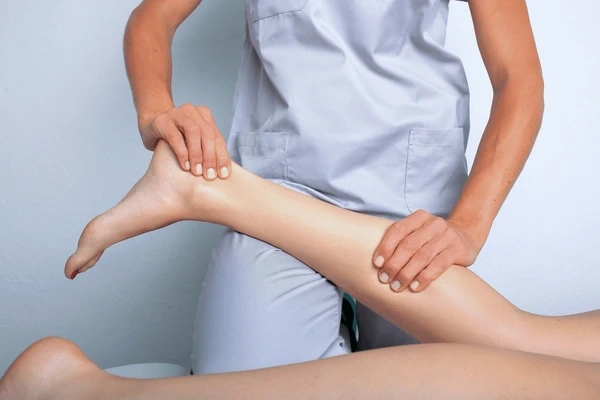
What Is Achilles Tendinitis?
The Achilles tendon is a strong band of tissue that connects the calf muscles to the heel bone. It helps you walk, run, climb stairs, jump, and rise onto your toes.
Achilles tendinitis develops when the tendon becomes irritated and inflamed. It is often associated with repetitive stress, a sudden increase in activity, tight calf muscles, or a change in footwear. The condition may affect the middle of the tendon or the area where it attaches to the heel bone.
If you are considering treatment for Achilles tendinitis, our podiatrist in Upland, CA, can examine your condition and determine which options may be appropriate for your care.
When to See a Podiatrist for Achilles Tendinitis
Mild discomfort may improve after you reduce the activity that caused it. However, pain that continues or worsens should be evaluated. Consider visiting a podiatrist near you if you have any of the following symptoms:
Pain or stiffness along the back of the heel
Morning stiffness in the Achilles tendon
Swelling or thickening along the tendon
Pain that worsens during or after exercise
Tenderness when the tendon is touched
Difficulty pushing off the foot
Pain when wearing shoes
A sudden pop or snap followed by weakness, difficulty walking, or an inability to push off the foot may indicate an Achilles tendon rupture. Seek prompt medical attention if you experience these symptoms.
What Are the Benefits of Achilles Tendinitis Treatment?
Treatment is tailored to the location and severity of the condition. It may help:
Reduce pain and irritation
Improve ankle flexibility and function
Address activities that place repeated stress on the tendon
Identify footwear or movement patterns that may contribute to symptoms
Guide a gradual and safer return to activity
Results and recovery times vary. Treatment cannot guarantee complete pain relief or prevent the condition from returning.

Achilles Tendinitis Treatment Options
Most patients begin with nonsurgical care. The appropriate options depend on your symptoms, examination findings, health, and activity level.
Treatment may include:
Activity modification
We may recommend reducing or temporarily stopping activities that worsen the pain.
Ice application
Applying ice for short periods may help manage pain and swelling. Do not place ice directly against your skin.
Stretching and strengthening
Appropriate exercises may improve calf flexibility and tendon strength. Some exercises should initially be performed under professional guidance.
Physical therapy
A structured program may help improve flexibility, strength, and movement.
Footwear changes
Supportive shoes or footwear that reduces pressure against the back of the heel may help selected patients.
Orthotics or heel lifts
These devices may reduce strain on the tendon when foot mechanics or the location of the irritation makes them appropriate.
Temporary immobilization
A walking boot may be considered for severe pain, although prolonged use can weaken the calf muscles.
Medication
Pain-relieving or anti-inflammatory medication may be considered when medically appropriate.
Surgery is generally considered only when symptoms continue after an appropriate period of nonsurgical treatment. The recommended procedure depends on the location and extent of the tendon damage.
What to Expect During Your Achilles Tendinitis Visit
When providing Achilles tendinitis treatment in Upland, CA, we begin by determining whether your symptoms involve the Achilles tendon or another structure near the heel. Your visit may include:
Symptom review
We ask when the pain began, where it is located, and which activities make it better or worse.
Medical history
We discuss previous injuries, health conditions, medications, footwear, and recent changes in activity.
Physical examination
We check the tendon for pain, swelling, thickening, and tenderness.
Movement assessment
We may examine your ankle motion, calf flexibility, walking pattern, and ability to push off the foot.
Imaging when needed
X-rays, ultrasound, or other imaging may be recommended based on your symptoms and examination findings.
Treatment discussion
We explain what may be contributing to your symptoms and review the available care options.
Personalized planning
We develop a plan that reflects your condition, activities, health, and treatment goals.
Why Choose Family Foot & Ankle Center for Achilles Tendinitis Treatment?
Achilles tendon pain can have different causes, so treatment should begin with a careful evaluation. At Family Foot & Ankle Center, we offer:
Experienced care
Our foot and ankle team evaluates tendon injuries and other causes of heel pain.
Individual treatment plans
We base our recommendations on your symptoms, examination findings, health, and activity level.
Conservative options
We consider appropriate nonsurgical measures before discussing surgery.
Clear communication
We explain your condition and recommendations in straightforward language.
Movement-focused care
We consider your activities, footwear, flexibility, and walking pattern when developing your plan.
Follow-up support
We monitor your response and adjust your care when needed.
Take the Next Step Toward Greater Comfort
Achilles tendon pain can interfere with exercise, work, and daily movement. At Family Foot & Ankle Center, we offer Achilles tendinitis treatment near you to help identify the cause of your symptoms and develop a care plan that fits your needs.
Call us at (909) 920-0884 or visit us at 984 W Foothill Blvd Ste B, Upland, CA 91786, United States, to schedule an appointment.
Frequently Asked Questions
How long does Achilles tendinitis take to improve?
Recovery time varies. Some patients improve sooner, while others experience symptoms for several months. The location and severity of the condition, how long it has been present, and your response to treatment can affect recovery.
Can I continue exercising while receiving treatment?
You may need to reduce or stop activities that worsen the pain, particularly running and jumping. Lower-impact activities may be suitable for some patients. We can help you decide which activities are appropriate.
Will I need imaging?
Not every patient needs imaging. X-rays, ultrasound, or other tests may be recommended when the examination does not provide enough information, another condition is suspected, or surgery is being considered.
Will I need surgery?
Most patients begin with nonsurgical care. Surgery may be considered when symptoms continue after an appropriate period of conservative treatment. The decision depends on the location and extent of the tendon damage.
Is Achilles tendinitis the same as an Achilles tendon rupture?
No. Achilles tendinitis involves irritation and inflammation of the tendon. A rupture is a partial or complete tear, often associated with a sudden pop, weakness, and difficulty walking or pushing off the foot.