
Bunion Treatment in Upland, CA
Bunion Treatment Near You
A painful bump beside your big toe can make even comfortable shoes difficult to wear. As the joint changes, you may also notice swelling, stiffness, or increasing pressure on the nearby toes. At Family Foot & Ankle Center, we provide bunion treatment in Upland, CA, to relieve discomfort and help you move more comfortably.
Bunions affect each patient differently. Some remain manageable for years, while others interfere with walking, exercise, or everyday footwear. If you are looking for bunion treatment near you, we can evaluate the joint and recommend care based on your symptoms, foot structure, and daily activities.
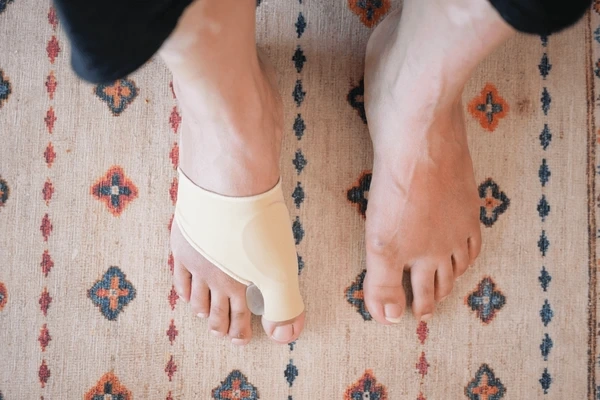
What Is Bunion Treatment?
A bunion is a bony prominence that develops at the base of the big toe. It forms as the bones at the joint gradually move out of alignment, causing the big toe to lean toward the smaller toes.
Inherited foot structure may increase the likelihood of developing a bunion. Arthritis and other factors can also contribute. Tight or narrow shoes do not always cause bunions on their own, but they can place additional pressure on the joint and make the bump more painful.
Bunion treatment may include changes in footwear, padding, orthotics, medication when appropriate, or surgery. Nonsurgical care cannot reverse the deformity, but it may relieve pain and reduce pressure on the affected area.
If you are considering care for a painful bunion, our podiatrist in Upland, CA, can examine your foot and determine which options may be appropriate for your condition.
When to See a Podiatrist for a Bunion
A bunion that is not painful may not require immediate treatment. However, an evaluation can help if discomfort or changes in the joint begin to affect your routine.
Consider visiting a podiatrist near you if you have any of the following symptoms:
Persistent pain
The joint hurts while you walk, stand, or wear shoes.
Increasing swelling
The area around the bump becomes swollen, red, or tender.
Limited movement
The big toe feels stiff or becomes difficult to bend.
Toe crowding
The big toe presses against or overlaps the smaller toes.
Recurring skin irritation
Corns, calluses, or blisters develop where the foot rubs against a shoe.
Difficulty with footwear
The bunion makes it hard to find shoes that fit comfortably.
What Are the Benefits of Bunion Treatment?
The purpose of treatment depends on the severity of the bunion and how it affects you. Conservative care may reduce pressure, improve comfort in shoes, and make daily movement easier. An evaluation can also identify related concerns, such as joint stiffness, toe crowding, or changes in the way you walk.
When nonsurgical measures no longer provide enough relief, we can discuss whether surgical correction may be appropriate. Surgery is generally considered for persistent pain or difficulty walking rather than for cosmetic reasons.
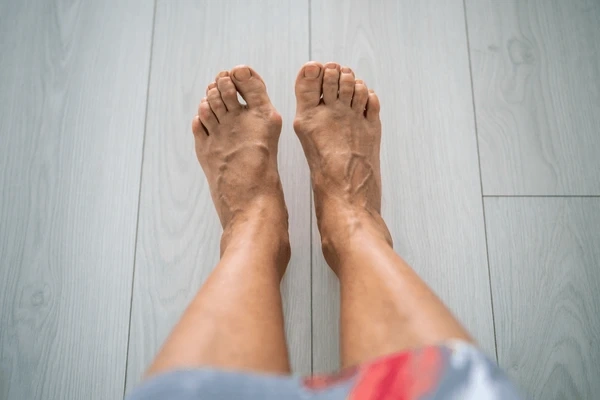
Bunion Treatment Options
We tailor treatment to your symptoms, health, and activity level. Your options may include:
Footwear changes
Shoes with a wide toe box can reduce pressure on the bunion and provide more room for the toes.
Protective padding
Carefully positioned pads may cushion the bump and limit irritation inside your shoes.
Orthotic support
Over-the-counter or custom inserts may improve support and redistribute pressure across the foot.
Activity adjustments
Temporary changes to activities that aggravate the joint may help control discomfort.
Pain management
Ice or medication may be recommended when medically appropriate.
Surgical correction
A procedure may be discussed when ongoing pain or deformity limits walking and does not improve with conservative care.
Toe spacers or splints may provide temporary comfort for some patients, but they do not permanently correct an adult bunion.
What to Expect During Your Bunion Evaluation
When providing bunion treatment in Upland, CA, we usually follow these steps:
Discussing your symptoms
We ask when the discomfort began, what makes it worse, and how it affects your normal activities.
Examining your foot
We check the joint’s alignment, movement, tenderness, swelling, and surrounding skin.
Observing your movement
We may assess how you stand and walk to identify pressure patterns or related structural concerns.
Reviewing your footwear
We look at shoe fit and wear patterns that may be contributing to irritation.
Considering imaging
Weight-bearing X-rays may be recommended to evaluate the alignment and severity of the deformity.
Planning your care
We explain the findings and review conservative or surgical options that fit your needs.
Why Choose Family Foot & Ankle Center for Bunion Treatment?
Bunion care should address more than the appearance of the joint. At Family Foot & Ankle Center, we offer:
Individual attention
We build your care plan around your symptoms, foot structure, and routine.
Conservative care
We explore appropriate nonsurgical measures before discussing an operation.
Clear communication
We explain what treatment can and cannot do so you can make an informed decision.
Careful evaluation
We assess the joint, nearby toes, footwear, and walking patterns before recommending treatment.
Ongoing guidance
We monitor your response and adjust your plan when your symptoms or needs change.
Find Greater Comfort in Every Step
You should not have to plan your day around a painful big toe joint. At Family Foot & Ankle Center, we offer bunion treatment near you to reduce discomfort, protect the irritated area, and help you make informed decisions about your foot health.
Call us at (909) 920-0884 or visit us at 984 W Foothill Blvd Ste B, Upland, CA 91786, United States, to schedule an evaluation.
Frequently Asked Questions
Can a bunion go away without surgery?
No. Nonsurgical treatments cannot realign the bones or eliminate the bunion, but they may reduce pressure and help manage discomfort. Surgery is the only way to correct the underlying deformity.
Are bunions caused by wearing tight shoes?
Not necessarily. Inherited foot structure and other factors can contribute to bunion development. However, footwear that crowds the toes may increase irritation and make symptoms worse.
When is bunion surgery considered?
Surgery may be considered when a painful bunion interferes with walking or daily activities and nonsurgical care has not provided enough relief. It is not generally recommended solely to improve the foot’s appearance.
What is recovery like after bunion surgery?
Recovery depends on the procedure performed. You may need to limit weight-bearing, wear a surgical shoe, and modify your activities while the bones and soft tissues heal. Swelling can remain for several months, and we will explain the expected recovery before surgery.
Can children and teenagers develop bunions?
Yes. Bunions can develop at a young age, particularly when inherited foot structure contributes to the condition. Treatment usually begins with monitoring, appropriate footwear, and symptom management. Surgical timing requires careful consideration because the foot may still be growing.