
Treatment for Diabetic Foot Conditions in Upland, CA
Treatment for Diabetic Foot Conditions Near You
A blister, cut, or patch of irritated skin may seem minor, but diabetes can make certain foot problems more difficult to detect and manage. At Family Foot & Ankle Center, we provide treatment for diabetic foot conditions in Upland, CA, to identify concerns early, protect vulnerable areas, and support your long-term foot health.
Changes in sensation or circulation may prevent you from noticing an injury right away. If you are looking for treatment for diabetic foot conditions near you, we offer thorough examinations, practical guidance, and ongoing care based on your individual risk factors.
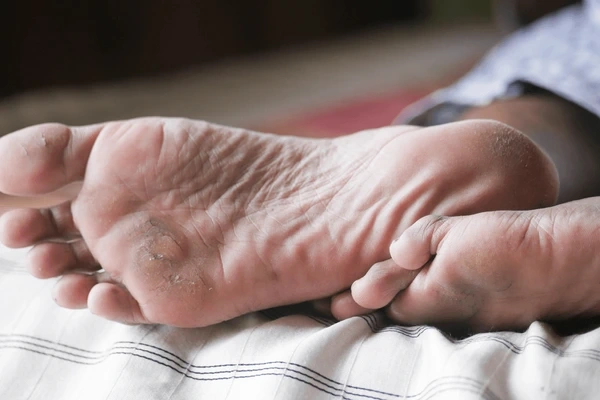
What Is Treatment for Diabetic Foot Conditions?
Diabetes can damage nerves and blood vessels over time. Nerve damage may cause numbness, tingling, burning, or pain in the feet. Reduced sensation can also make it difficult to notice a cut, blister, or pressure point. Circulation problems may interfere with healing and increase the risk of complications.
Diabetic foot conditions may include:
Peripheral neuropathy
Nerve damage that causes pain, tingling, numbness, or reduced sensation
Foot ulcers
Open sores that may develop over areas of pressure or broken skin
Skin infections
Infections that can enter through cuts, cracks, blisters, or wounds
Corns and calluses
Thickened skin that may conceal pressure damage or contribute to sores
Nail problems
Ingrown, thickened, or fungal toenails that may irritate the surrounding skin
Circulation concerns
Reduced blood flow that may affect skin health and wound healing
Structural changes
Changes in foot shape that create new areas of pressure
Our podiatrist in Upland, CA, can examine your feet, assess your risk factors, and recommend care based on the condition of your skin, nails, nerves, circulation, and foot structure.
When to See a Podiatrist for a Diabetic Foot Concern
Diabetes-related nerve damage may reduce your ability to feel pain, heat, or pressure. Checking your feet every day can help you notice changes that might otherwise be missed.
Consider visiting a podiatrist near you if you notice any of the following:
A cut or blister
Broken skin develops, even if the area does not hurt.
A slow-healing wound
A sore remains open or does not appear to be improving.
Possible infection
Redness, warmth, swelling, drainage, or an unpleasant odor develops.
Changes in sensation
Numbness, tingling, burning, or unusual pain occurs.
Changes in appearance
The skin changes color or one foot becomes noticeably warmer than the other.
New pressure areas
A corn, callus, blister, or red spot develops beneath or around the toes.
Changes in shape
The foot or toes begin to look different, or a shoe no longer fits properly.
Nail or skin problems
An ingrown toenail, fungal infection, or deep crack develops.
Seek prompt medical attention for an open wound, signs of infection, darkened skin, sudden swelling, or a hot, red foot—especially when sensation is reduced.
What Are the Benefits of Diabetic Foot Care?
Regular foot care can help us detect changes before they lead to more serious problems. Depending on your needs, care may help:
Identify areas of reduced sensation
Detect possible circulation concerns
Reduce pressure on vulnerable skin
Address nail and skin problems safely
Monitor wounds and signs of infection
Improve your daily foot-care routine
Determine whether specialized footwear may help
Not every complication can be prevented. However, daily self-checks, appropriate diabetes management, properly fitting footwear, and regular professional examinations can reduce certain risks and support earlier treatment.
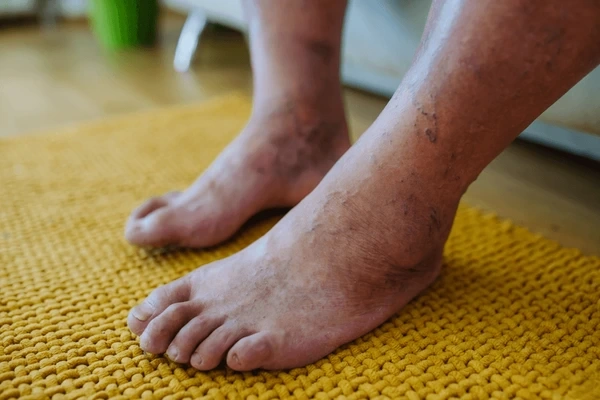
Treatment Options for Diabetic Foot Conditions
The appropriate treatment depends on the problem and its severity. Your care plan may include:
Routine monitoring
We check your skin, nails, sensation, circulation, and pressure areas.
Nail and skin care
We address thickened nails, ingrown toenails, corns, and calluses using appropriate precautions.
Wound management
We evaluate open areas and may clean the wound, remove unhealthy tissue, reduce pressure, or arrange additional care when needed.
Infection management
We assess signs of infection and recommend or coordinate appropriate treatment.
Pressure relief
We may use padding, offloading devices, footwear modifications, or orthotics to protect vulnerable areas.
Footwear guidance
We help you choose shoes and socks that reduce rubbing and provide enough room.
Coordinated care
We may communicate with other members of your medical team when a circulation problem, infection, or complex wound requires additional management.
What to Expect During Your Diabetic Foot Visit
When providing treatment for diabetic foot conditions in Upland, CA, we usually follow these steps:
Reviewing your history
We discuss your diabetes, medications, previous wounds, symptoms, and other relevant health conditions.
Inspecting your feet
We look for cuts, cracks, blisters, calluses, nail changes, swelling, discoloration, and signs of infection.
Checking sensation
We may use simple instruments to assess how well you feel touch, pressure, or vibration.
Assessing circulation
We check pulses, skin temperature, color, and other signs that may indicate how blood is reaching your feet.
Evaluating foot structure
We examine your alignment, movement, and pressure points for changes that may increase the risk of injury.
Treating current concerns
We address appropriate nail, skin, pressure, or wound problems found during the examination.
Planning follow-up care
We explain what to monitor at home and recommend a return schedule based on your level of risk.
Why Choose Family Foot & Ankle Center for Diabetic Foot Care?
Diabetic foot care requires close observation and a plan that reflects your individual health. At Family Foot & Ankle Center, we offer:
Thorough examinations
We evaluate the skin, nails, nerves, circulation, and structure of your feet.
Risk-based care
We adjust monitoring and treatment according to your medical history and examination findings.
Safety-conscious treatment
We take added precautions when sensation, circulation, or healing may be impaired.
Practical education
We explain how to inspect and protect your feet between appointments.
Personalized recommendations
We consider your footwear, mobility, daily routine, and current symptoms.
Attentive follow-up
We monitor changes and coordinate additional care when a concern requires broader medical attention.
Give Your Feet the Attention They Need
With diabetes, a small change in your feet deserves careful attention. At Family Foot & Ankle Center, we offer treatment for diabetic foot conditions near you to detect concerns, manage existing problems, and help you protect your feet between visits.
Call us at (909) 920-0884 or visit us at 984 W Foothill Blvd Ste B, Upland, CA 91786, United States, to schedule an appointment.
Frequently Asked Questions
How often should I have a diabetic foot examination?
A comprehensive foot examination is generally recommended at least once a year. You may need more frequent visits if you have neuropathy, poor circulation, a history of ulcers, a foot deformity, or other significant risk factors.
Can diabetic neuropathy occur without symptoms?
Yes. Some patients lose sensation gradually without noticing pain, tingling, or burning. A professional examination can identify reduced sensation that may not be obvious during daily activities.
Is it safe to walk barefoot if I have diabetes?
Walking barefoot is generally discouraged because you could step on something sharp, burn your skin, or develop an injury without noticing it. Protective, well-fitting footwear should also be worn indoors.
What type of footwear may help protect diabetic feet?
Shoes should fit properly, provide enough room for the toes, and avoid seams or pressure points that rub the skin. Some patients may benefit from therapeutic footwear or custom inserts based on their risk factors and foot structure.
When does a diabetic foot sore require medical attention?
Contact a medical professional promptly when you notice a sore, blister, cut, or other break in the skin. Seek urgent attention if the area becomes red, warm, swollen, darkened, painful, or begins to drain.