
Diabetic Neuropathy Treatment in Upland, CA
Diabetic Neuropathy Treatment Near You
Burning, tingling, or numbness in your feet can disturb your sleep and make walking feel less secure. Reduced sensation may also allow an injury to go unnoticed. At Family Foot & Ankle Center, we provide diabetic neuropathy treatment in Upland, CA, to help manage foot symptoms and protect areas vulnerable to pressure or injury.
Neuropathy does not affect every patient in the same way. Some experience significant pain, while others gradually lose sensation without obvious discomfort. If you are looking for diabetic neuropathy treatment near you, we can evaluate your feet, explain our findings, and develop a plan based on your symptoms and risk factors.
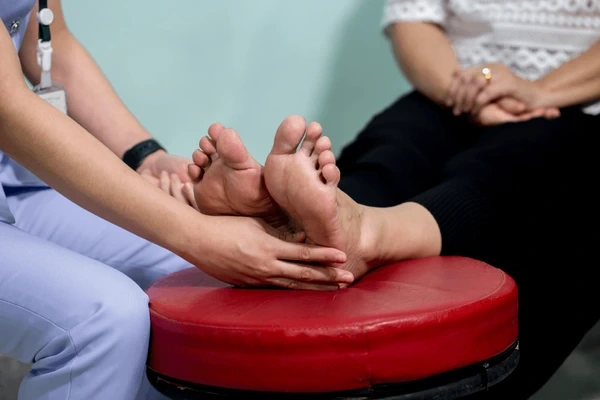
What Is Diabetic Neuropathy Treatment?
Diabetic peripheral neuropathy is nerve damage that commonly affects the feet and legs. Over time, elevated blood glucose and other metabolic factors associated with diabetes can damage nerves and the small blood vessels that supply them.
Symptoms may include burning, tingling, stabbing pain, numbness, increased sensitivity, or weakness. Some patients have few noticeable symptoms. When sensation is reduced, cuts, blisters, burns, and pressure injuries may develop without causing enough pain to attract attention.
Treatment cannot usually repair established nerve damage. Instead, it focuses on managing painful symptoms, reducing the risk of additional damage, protecting the feet, and identifying injuries early. Other medical conditions can also cause neuropathy, so an evaluation may be needed before symptoms are attributed solely to diabetes.
Our podiatrist in Upland, CA, can assess your foot sensation, skin, circulation, and structure while coordinating with the medical professionals who manage your diabetes and any medication for neuropathic pain.
When to See a Podiatrist for Neuropathy Symptoms
Consider visiting a podiatrist near you if you notice any of the following:
Changes in sensation
Your feet feel numb, tingly, unusually cold, or less sensitive to temperature.
Burning or shooting pain
Discomfort becomes worse at night or interferes with sleep.
Sensitivity to touch
Socks, bedding, or light pressure causes unexpected pain.
Balance problems
Your feet feel unsteady, or you have difficulty sensing the ground.
Unnoticed injuries
You find a blister, cut, burn, or sore that you did not feel developing.
Changes in foot shape
A toe or part of the foot begins to look different.
Possible infection
Redness, warmth, swelling, drainage, or an unpleasant odor develops.
An open wound or a foot that suddenly becomes red, hot, or swollen requires prompt medical attention, even when it is not painful.
What Are the Benefits of Diabetic Neuropathy Treatment?
Appropriate care can help reduce certain symptoms and protect feet with diminished sensation. Depending on your needs, treatment may:
Identify areas where sensation has decreased
Detect wounds or pressure points early
Reduce pressure on vulnerable skin
Improve protection through suitable footwear
Address balance or walking concerns
Support safer daily foot-care habits
Determine when additional medical care is needed
The response to treatment varies. Pain relief may be possible, but no treatment can guarantee that symptoms will disappear or that nerve damage will be reversed.

Diabetic Neuropathy Treatment Options
Your care plan may involve several approaches:
Foot protection
We recommend daily inspections and ways to avoid burns, cuts, and other injuries.
Pressure reduction
Padding, orthotics, or specialized footwear may protect areas exposed to repeated pressure.
Skin and nail care
We address appropriate foot concerns carefully when reduced sensation raises the risk of accidental injury.
Wound management
We evaluate open areas and provide or coordinate treatment based on their severity.
Pain management
Medication may be prescribed or coordinated with your broader medical team when appropriate.
Balance support
We may recommend exercises, assistive strategies, or referral for additional care when weakness or instability is present.
Diabetes management
We encourage you to work with your diabetes clinician to keep your glucose, blood pressure, and cholesterol within your individualized target ranges.
What to Expect During Your Neuropathy Visit
When providing diabetic neuropathy treatment in Upland, CA, we usually follow these steps:
Discussing your symptoms
We ask when they began, how they feel, and how they affect your sleep, balance, and daily activities.
Reviewing your history
We consider your diabetes, medications, previous wounds, and other conditions that may affect nerve health.
Testing sensation
We may check your response to touch, pressure, temperature, or vibration.
Inspecting your feet
We look for cuts, blisters, calluses, nail problems, deformities, and areas of unusual pressure.
Assessing circulation
We check pulses, skin temperature, color, and other signs related to blood flow.
Observing your movement
We may evaluate your balance and walking pattern when weakness or instability is a concern.
Developing your plan
We explain the findings and recommend symptom management, foot protection, follow-up care, or additional evaluation.
Why Choose Family Foot & Ankle Center for Diabetic Neuropathy Treatment?
Managing neuropathy requires attention to both symptoms and foot safety. At Family Foot & Ankle Center, we offer:
Detailed examinations
We assess sensation, circulation, skin condition, foot structure, and pressure areas.
Individualized care
We shape recommendations around your symptoms, risks, and daily routine.
Protective strategies
We help reduce the likelihood of injuries going unnoticed.
Practical education
We show you what to check and how to protect your feet at home.
Clear explanations
We discuss what treatment may accomplish without making unrealistic promises.
Coordinated support
We recommend additional medical care when a concern extends beyond podiatric treatment.
Protect Your Comfort and Foot Health
Neuropathy symptoms should not be dismissed as an unavoidable part of diabetes. At Family Foot & Ankle Center, we offer diabetic neuropathy treatment near you to manage foot discomfort, identify areas of reduced sensation, and help protect your feet from preventable injuries.
Call us at (909) 920-0884 or visit us at 984 W Foothill Blvd Ste B, Upland, CA 91786, United States, to schedule an appointment.
Frequently Asked Questions
What causes diabetic peripheral neuropathy?
Diabetes-related metabolic changes can damage nerves and the small blood vessels that nourish them. The risk generally increases with longer diabetes duration and difficulty maintaining glucose, blood pressure, or cholesterol within recommended ranges.
Can diabetic neuropathy be reversed?
Established nerve damage usually cannot be fully reversed. Treatment may relieve certain symptoms, help prevent additional injury, and address factors that could contribute to further nerve damage.
How is painful diabetic neuropathy managed?
Management may include prescription medication and measures that reduce irritation or pressure on the feet. Medication decisions should account for your symptoms, health history, other prescriptions, and possible side effects.
Can neuropathy affect balance?
Yes. Loss of sensation can make it harder to sense where your feet are positioned, which may contribute to instability. Muscle weakness can also occur. An evaluation can help determine whether additional balance support is appropriate.
How often should my feet be examined?
Patients with diabetes should generally receive a comprehensive foot examination at least once a year. More frequent checks may be appropriate when neuropathy, a previous ulcer, poor circulation, or another significant risk factor is present.