
Hammertoe Treatment in Upland, CA
Hammertoe Treatment Near You
A bent toe can rub against your shoe, develop a painful corn, and make comfortable footwear harder to find. At Family Foot & Ankle Center, we provide hammertoe treatment in Upland, CA, to reduce pressure, manage discomfort, and address problems associated with the deformity.
Hammertoes may remain flexible at first and become more rigid over time. If you are looking for hammertoe treatment near you, we can examine the affected toe, determine how flexible it is, and recommend care based on your symptoms.
What Is Hammertoe Treatment?
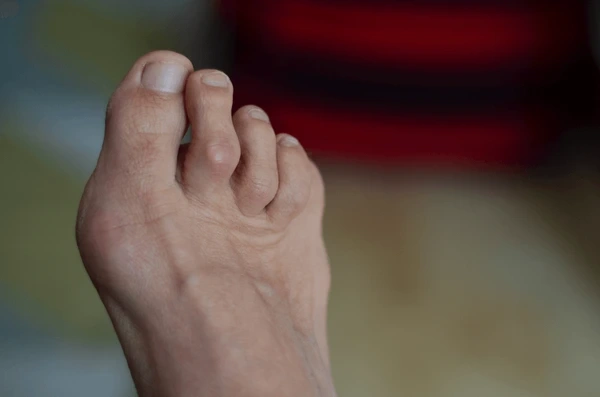
A hammertoe is a deformity in which one of the smaller toes bends downward at its middle joint. It most commonly affects the second, third, or fourth toe.
The condition develops when the muscles, tendons, and ligaments that normally keep the toe straight become imbalanced. Contributing factors may include:
Tight, narrow, or high-heeled shoes
Inherited foot structure
Bunions or other toe deformities
Arthritis or previous injuries
Nerve or muscle disorders
Changes in the toe joints and tendons over time
A flexible hammertoe can still be straightened manually. A rigid hammertoe remains bent because the joint and surrounding tissues have tightened. This distinction helps determine which treatment options may be suitable.
Our podiatrist in Upland, CA, can evaluate the toe’s flexibility, check for related foot problems, and explain whether conservative or surgical care may be appropriate.
When to See a Podiatrist for a Hammertoe
A hammertoe does not always cause pain, but friction and pressure can lead to worsening discomfort or skin irritation.
Consider visiting a podiatrist near you if you notice any of the following:
Persistent bending
A smaller toe remains bent at its middle joint.
Shoe pressure
The raised joint repeatedly rubs against the inside of your footwear.
Corns or calluses
Thickened skin develops on top of the toe, at its tip, or beneath the forefoot.
Joint discomfort
The affected toe becomes painful, swollen, or red.
Reduced flexibility
The toe becomes increasingly difficult to straighten.
Walking difficulty
Pain interferes with standing, walking, or normal activities.
Broken skin
A blister, cut, or sore develops over a pressure point.
Seek prompt care for an open sore, signs of infection, or skin damage if you have diabetes, poor circulation, or reduced sensation.
What Are the Benefits of Hammertoe Treatment?
Treatment may reduce friction and make shoes more comfortable. Depending on the condition, care may:
Relieve pressure on the bent joint
Protect corns and irritated skin
Improve comfort while walking
Preserve flexibility in a movable toe
Accommodate a rigid deformity
Address related forefoot pressure
Determine whether surgery should be considered
Nonsurgical care can relieve symptoms, but it does not usually correct a rigid deformity permanently.
Hammertoe Treatment Options
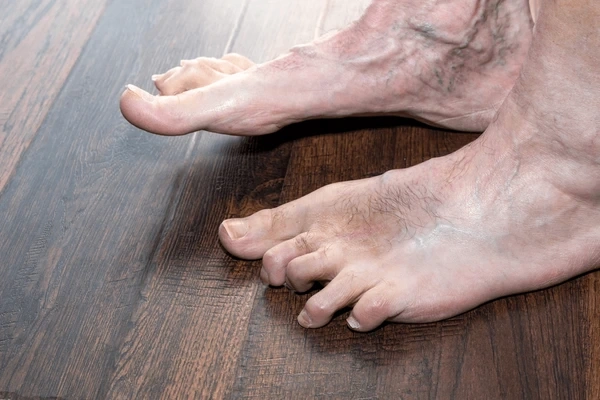
The recommended approach depends largely on whether the toe is flexible or rigid and how much it affects your daily life.
Options may include:
Footwear changes
Shoes with a wide, deep toe box can reduce rubbing and provide more space for the toes.
Protective padding
Nonmedicated pads or sleeves may cushion tender areas and reduce friction.
Toe exercises
Appropriate stretching or strengthening exercises may help maintain toe flexibility.
Orthotic support
Inserts may redistribute pressure across the forefoot but generally do not straighten the hammertoe itself.
Corn and callus care
Professional reduction may relieve discomfort caused by thickened skin.
Pain management
Medication may be considered when medically appropriate.
Surgical correction
Surgery may be discussed when the toe is rigid, symptoms interfere with daily activities, or conservative measures do not provide enough relief.
The surgical procedure depends on the deformity. It may involve releasing or transferring a tendon, removing a small portion of bone, or fusing the affected joint.
What to Expect During Your Hammertoe Evaluation
When providing hammertoe treatment in Upland, CA, we usually follow these steps:
Discussing your symptoms
We ask when the toe began changing and how it affects your footwear and activities.
Reviewing your history
We consider previous injuries, medical conditions, footwear, and treatments you have already tried.
Examining the toe
We check its position, skin condition, tenderness, and range of motion.
Testing flexibility
We determine whether the toe can be manually straightened or has become rigid.
Assessing related concerns
We look for bunions, corns, calluses, forefoot pressure, or additional toe deformities.
Considering imaging
X-rays may be recommended to evaluate the joints and bones or help plan surgery.
Developing your plan
We explain the findings and discuss suitable conservative or surgical options.
Why Choose Family Foot & Ankle Center for Hammertoe Treatment?
A bent toe should be evaluated in the context of your entire foot. At Family Foot & Ankle Center, we offer:
Detailed assessments
We examine the toe’s flexibility, skin condition, joints, and surrounding structures.
Symptom-based plans
We recommend care according to your discomfort, footwear needs, and activity level.
Conservative options
We consider appropriate nonsurgical management before discussing surgery.
Skin protection
We address corns, calluses, and pressure areas that may develop over the bent joint.
Clear expectations
We explain which measures relieve symptoms and which procedures can correct alignment.
Thoughtful follow-up
We monitor your response and adjust the plan when needed.
Make Room for More Comfortable Steps
A hammertoe should not leave you struggling with every pair of shoes. At Family Foot & Ankle Center, we offer hammertoe treatment near you to reduce irritation and help you choose an appropriate path forward.
Call us at (909) 920-0884 or visit us at 984 W Foothill Blvd Ste B, Upland, CA 91786, United States, to schedule an appointment.
Frequently Asked Questions
Can a hammertoe be corrected without surgery?
Conservative care may relieve discomfort and help preserve movement when the toe is still flexible. However, it generally does not permanently straighten a rigid hammertoe.
Will a hammertoe always get worse?
Not every hammertoe progresses at the same rate. Some remain relatively stable, while others become stiffer or more painful over time. Monitoring changes can help determine when treatment is appropriate.
Are hammertoes always painful?
No. Some cause no symptoms, while others become painful because of joint irritation, corns, calluses, or pressure from shoes.
Can hammertoes be prevented?
Not every case can be prevented because foot structure, medical conditions, and inherited factors may contribute. Wearing shoes with enough toe room can reduce crowding and pressure that may aggravate the condition.
What is recovery like after hammertoe surgery?
Recovery depends on the procedure and the number of toes treated. You may need a postoperative shoe, activity restrictions, elevation, and follow-up visits while the tissues heal. Swelling can continue for several weeks or longer.