
Ingrown Toenail Treatment in Upland, CA
Ingrown Toenail Treatment Near You
A tender nail edge can make shoes uncomfortable and turn each step into an unwelcome reminder that something is wrong. At Family Foot & Ankle Center, we provide ingrown toenail treatment in Upland, CA, to relieve pressure and address irritation around the nail.
Some cases remain mild, while others become increasingly painful or develop signs of infection. If you are looking for ingrown toenail treatment near you, we can examine the toe and recommend care based on the severity of the problem and your health.
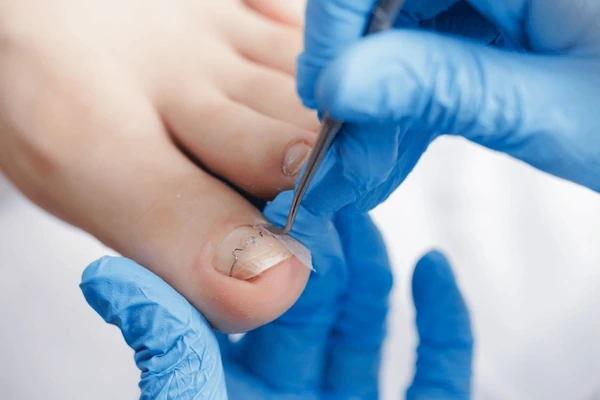
What Is Ingrown Toenail Treatment?
An ingrown toenail develops when the side or corner of a toenail presses into and irritates the surrounding skin. It most commonly affects the big toe.
Possible contributing factors include:
Cutting the nail too short
Rounding the nail’s corners
Wearing tight or narrow shoes
Injuring or repeatedly stressing the toe
Having naturally curved or thick nails
Developing nail changes associated with age or infection
The area may become painful, red, and swollen. An infection can develop when the nail breaks the skin, although redness and inflammation do not always mean that an infection is present.
Our podiatrist in Upland, CA, can examine the nail and surrounding tissue and determine whether conservative care or a minor procedure may be appropriate.
When to See a Podiatrist for an Ingrown Toenail
Mild symptoms may occasionally improve with careful home care, but worsening pain or skin changes should be evaluated.
Consider visiting a podiatrist near you if you notice any of the following:
Persistent tenderness
Pain continues along one or both sides of the nail.
Increasing inflammation
Redness, swelling, or warmth becomes more noticeable.
Possible infection
Pus, drainage, spreading redness, or worsening pain develops.
Repeated problems
The same nail becomes ingrown more than once.
Shoe discomfort
Pressure from footwear makes walking difficult.
Broken skin
The nail edge has cut into the surrounding tissue.
Increased health risks
You have diabetes, poor circulation, reduced sensation, or a condition that affects healing.
Seek prompt medical care if redness is spreading, you develop a fever, or the toe has significant swelling or drainage. If you have diabetes or impaired circulation, contact a medical professional before attempting home treatment.
What Are the Benefits of Ingrown Toenail Treatment?
Appropriate care may relieve pressure and prevent further injury to the surrounding skin. Depending on the condition, treatment may:
Reduce pain along the nail edge
Separate the nail from irritated skin
Remove the portion causing pressure
Address drainage or signs of infection
Make shoes more comfortable
Reduce the likelihood of recurrence
Provide safer care for a high-risk foot
No procedure can guarantee that an ingrown toenail will never return. However, treating part of the nail root in recurrent cases can reduce the likelihood that the problematic edge will regrow.
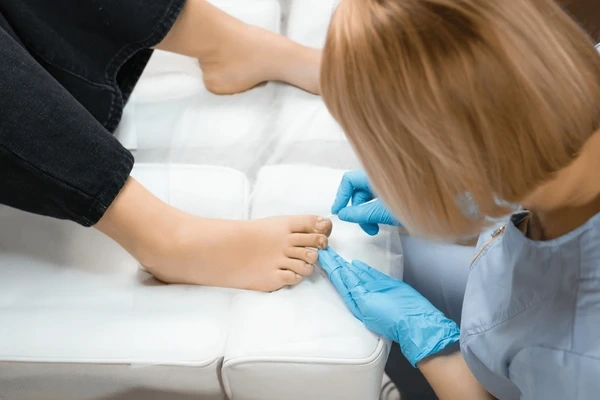
Ingrown Toenail Treatment Options
The recommended approach depends on the severity of the symptoms, whether infection is present, and whether the problem has occurred before.
Options may include:
Conservative nail care
For a mild case, the edge may be carefully lifted or supported so it can grow above the skin.
Footwear changes
Roomier shoes or open-toed footwear may reduce pressure while the toe settles.
Partial nail removal
The section pressing into the skin may be removed after the toe is numbed.
Nail root treatment
In recurrent cases, part of the nail root may be treated to reduce the likelihood of regrowth.
Whole-nail removal
Removing the entire nail is less common but may be considered in selected cases.
Infection management
Medication may be prescribed when a bacterial infection requires it.
Antibiotics do not remove the ingrown nail edge. If the nail continues cutting into the skin, the mechanical cause may still need to be addressed.
What to Expect During Your Visit
When providing ingrown toenail treatment in Upland, CA, we usually follow these steps:
Discussing your symptoms
We ask when the problem began, whether it has happened before, and what home care you have tried.
Reviewing your health
We consider diabetes, circulation, sensation, medications, allergies, and healing concerns.
Examining the toe
We assess the nail edge, surrounding skin, swelling, drainage, and signs of infection.
Selecting an approach
We explain whether conservative care, partial nail removal, or nail root treatment may be appropriate.
Numbing the area
If a procedure is needed, we use a local anesthetic to numb the toe.
Treating the nail
We remove or adjust only the portion required for the selected procedure.
Explaining aftercare
We provide instructions for dressings, bathing, activity, and signs that warrant a follow-up call.
Why Choose Family Foot & Ankle Center for Ingrown Toenail Treatment?
A painful nail should be treated with attention to both comfort and safety. At Family Foot & Ankle Center, we offer:
Careful examinations
We assess the nail, skin, circulation, and relevant health risks.
Individual treatment plans
We match the approach to the severity and recurrence of the problem.
Comfort-conscious procedures
We use local anesthesia when nail removal is needed.
Clear aftercare guidance
We explain how to protect the toe while it heals.
Preventive recommendations
We discuss trimming habits and footwear that may reduce irritation.
Attentive follow-up
We remain available if pain, drainage, or other concerns develop.
Give Your Toe Room to Heal
An ingrown toenail can become increasingly difficult to ignore. At Family Foot & Ankle Center, we offer ingrown toenail treatment near you to relieve pressure and help the affected skin heal.
Call us at (909) 920-0884 or visit us at 984 W Foothill Blvd Ste B, Upland, CA 91786, United States, to schedule an appointment.
Frequently Asked Questions
Does an ingrown toenail procedure hurt?
The injection used to numb the toe may cause temporary discomfort. Once the anesthetic takes effect, you should not feel sharp pain during the procedure. Some soreness may develop after the numbness wears off.
Can I manage an ingrown toenail at home?
A mild case may improve with warm-water soaks and roomier footwear. Do not dig into the nail or cut down its side. Seek professional guidance before self-treatment if you have diabetes, reduced sensation, poor circulation, or signs of infection.
How can I tell whether the toe is infected?
Possible signs include pus, drainage, spreading redness, increasing warmth, worsening swelling, or fever. Redness and tenderness can also occur without infection, so an examination may be needed.
Can an ingrown toenail return after a procedure?
Yes. The removed section can sometimes regrow. Treating the corresponding part of the nail root can lower the chance of recurrence, but it cannot eliminate the possibility completely.
How long does recovery take after partial nail removal?
Recovery varies according to the procedure, your health, and whether infection is present. You may need to limit activities that put pressure on the toe and follow dressing instructions until the area heals.