
Sports Injury Treatment in Upland, CA
Sports Injury Treatment Near You
A sudden twist, awkward landing, or repeated training load can leave your foot or ankle painful and difficult to use. At Family Foot & Ankle Center, we provide sports injury treatment in Upland, CA, to identify the injured structure and help you plan a safe recovery.
Sports injuries range from mild strains to fractures and tendon tears, and their symptoms can overlap. If you are looking for sports injury treatment near you, we can evaluate what happened and recommend care based on your injury, activity level, and goals.
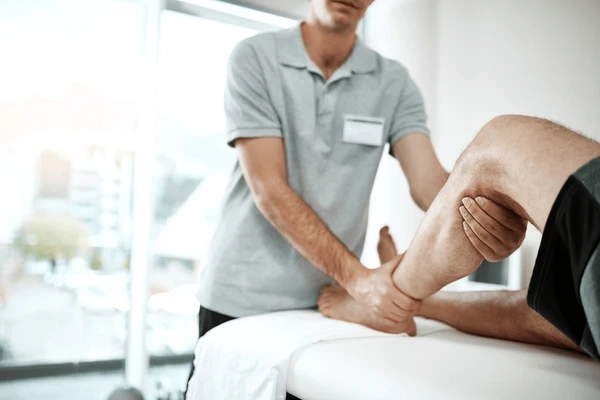
What Is Plantar Wart Treatment?
Foot and ankle sports injuries may occur suddenly or develop gradually. Acute injuries can result from a fall, collision, twist, or hard landing. Overuse injuries develop when repeated activity places more stress on a bone or soft tissue than it can recover from between workouts.
Common foot and ankle sports injuries include:
Ankle sprains
Muscle or tendon strains
Stress fractures
Toe and forefoot fractures
Turf toe
Plantar fascia injuries
Tendinitis
Bruises and pressure injuries
Joint or cartilage injuries
Our podiatrist in Upland, CA, can examine the affected area and determine whether imaging, immobilization, rehabilitation, or another approach may be appropriate.
When to See a Podiatrist for a Sports Injury
Minor soreness after activity may improve with rest. However, severe, persistent, or recurring symptoms should be evaluated.
Consider visiting a podiatrist near you if you notice any of the following:
Persistent pain
Discomfort does not improve or returns whenever you resume activity.
Difficulty bearing weight
You cannot walk normally or push off the affected foot.
Visible swelling
Swelling or bruising develops around the foot or ankle.
Joint instability
The ankle or another joint feels as though it may give way.
Reduced movement
Stiffness or weakness limits your normal range of motion.
Localized tenderness
Pressing on a specific bone or tendon causes pain.
Sudden symptoms
You hear a pop or feel a tearing sensation during activity.
Recurring injuries
The same area becomes injured more than once.
Seek urgent medical attention for an obvious deformity, an open wound, severe swelling, loss of sensation, or a foot that becomes pale, cold, or difficult to move.
What Are the Benefits of Sports Injury Treatment?
An accurate diagnosis can help determine which activities are safe and which should be paused. Depending on the injury, treatment may:
Protect a damaged structure while it heals
Reduce pain and swelling
Restore strength and range of motion
Improve balance and joint stability
Guide a gradual return to activity
Identify factors related to recurring injuries
Reduce the risk of returning to sport too soon
No treatment can guarantee that another injury will not occur. Rehabilitation, proper recovery, suitable equipment, and gradual training may reduce certain risks.
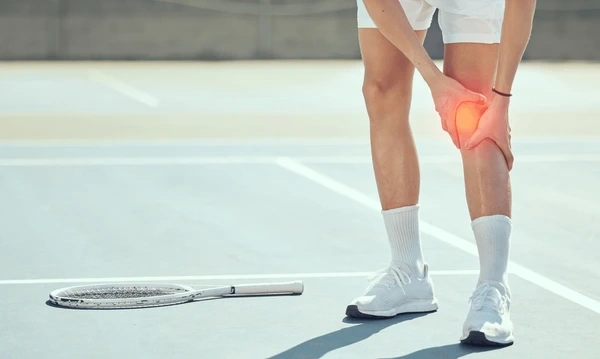
Sports Injury Treatment Options
Your treatment plan will depend on the type and severity of the injury. Options may include:
Activity modification
Pausing or changing aggravating activities may protect the injured area.
Cold therapy and elevation
These measures may help manage pain and swelling after certain acute injuries.
Bracing or taping
External support may protect a joint during healing or a gradual return to activity.
Immobilization
A cast, walking boot, or stiff-soled shoe may be needed for some fractures, sprains, or tendon injuries.
Rehabilitation exercises
A progressive program may restore motion, strength, balance, and sport-specific function.
Footwear guidance
Shoes appropriate for your sport and foot type may improve support and comfort.
Orthotic support
Inserts may help selected patients when pressure patterns or foot mechanics contribute to symptoms.
Medication
Pain-relieving or anti-inflammatory medication may be considered when medically appropriate.
Surgical management
Surgery may be required for certain fractures, complete tendon tears, unstable joints, or injuries that do not respond to appropriate nonsurgical care.
What to Expect During Your Sports Injury Visit
When providing sports injury treatment in Upland, CA, we usually follow these steps:
Discussing the injury
We ask how it happened, when symptoms began, and whether you continued playing afterward.
Reviewing your activity
We consider your sport, training schedule, playing surface, footwear, and recent workload changes.
Examining the area
We check for tenderness, swelling, bruising, instability, and changes in joint movement.
Testing function
We assess strength, flexibility, balance, and your ability to bear weight when appropriate.
Considering imaging
X-rays or other imaging may be recommended when a fracture, tendon tear, or cartilage injury is suspected.
Protecting the injury
We may recommend a brace, boot, activity restriction, or another immediate measure.
Planning rehabilitation
We outline recovery steps and explain how progress will be assessed before returning to sport.
Why Choose Family Foot & Ankle Center for Sports Injury Treatment?
Returning to activity requires more than waiting for the pain to fade. At Family Foot & Ankle Center, we offer:
Injury-specific evaluations
We examine the bones, joints, tendons, and ligaments related to your symptoms.
Individual recovery plans
We consider the demands of your sport and your current activity level.
Conservative options
We consider appropriate nonsurgical management before discussing surgery.
Clear activity guidance
We explain which movements to avoid and how to gradually resume training.
Functional monitoring
We assess motion, strength, balance, and stability as recovery progresses.
Ongoing adjustments
We revise the plan according to your symptoms and healing.
Return to Your Sport With a Clear Plan
Getting back into the game too soon can delay recovery or increase the risk of another injury. At Family Foot & Ankle Center, we offer sports injury treatment near you to support healing and guide a gradual return to activity.
Call us at (909) 920-0884 or visit us at 984 W Foothill Blvd Ste B, Upland, CA 91786, United States, to schedule an appointment.
Frequently Asked Questions
How soon should I seek care after a sports injury?
Seek prompt care if you cannot bear weight, have severe pain or swelling, notice a deformity, or experience numbness. Arrange an evaluation when milder symptoms persist, worsen, or return with activity.
Can I continue training while my foot or ankle heals?
That depends on the injury. Some patients can perform modified or low-impact activities, while others must avoid weight-bearing or sports until healing has progressed. Follow the activity restrictions provided for your diagnosis.
Will I need surgery for a foot or ankle sports injury?
Not necessarily. Many sprains, strains, and stress injuries are treated without surgery. An operation may be considered for unstable fractures, complete tendon tears, significant joint damage, or symptoms that do not improve with appropriate conservative care.
How long will recovery take?
Recovery may take days, weeks, or several months, depending on the injured structure and severity. A minor sprain and a stress fracture, for example, have very different healing timelines.
How can I reduce my risk of another injury?
Complete your rehabilitation, increase training gradually, wear sport-appropriate footwear, and allow enough time for recovery. Strength, flexibility, balance training, and technique adjustments may also help, depending on your sport and injury history.