
Work Injury Treatment
Work Injury Treatment Near You
Work injuries don’t always happen in one sudden moment. Pain may begin after lifting something heavy, slipping at work, spending long hours at a desk, or repeating the same movement throughout a shift. If discomfort or limited movement makes your job or daily activities more difficult, an evaluation can help identify what may be contributing to your symptoms.
At The Feel Good Doc, we provide work injury treatment near you based on your symptoms, job demands, health history, movement, and goals. Dr. Walter E. Mendoza takes time to understand how the problem started and how it affects what you need to do at work and outside of it.
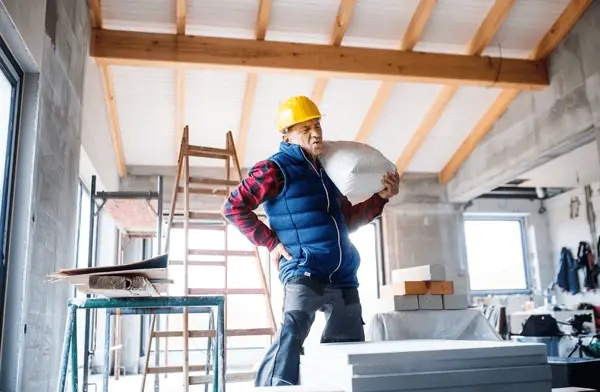
Understanding Work-Related Injuries
Work-related injuries can affect muscles, joints, tendons, ligaments, nerves, and the spine. Some occur suddenly after a fall, lift, twist, or other accident. Others develop gradually from repetitive movements, prolonged positions, or physical demands that place repeated stress on the body.
We consider both the injured area and the activities you perform throughout your workday. This helps us develop a plan based on your actual needs rather than using the same approach for every work injury.
Work Injuries We May Evaluate
Different jobs place different demands on the body. Depending on your symptoms and how the problem started, we may evaluate concerns such as:
Back or neck strains
Muscle and ligament sprains
Shoulder, elbow, wrist, or hand discomfort
Knee or leg pain
Repetitive-use injuries
Tendon-related problems
Injuries from lifting or carrying
Symptoms following a slip or fall
Numbness or tingling
Pain that travels into an arm or leg
An evaluation can also be helpful when symptoms improve during time away from work but repeatedly return during certain job activities.
When Should You Have a Work Injury Evaluated?
Consider an evaluation if pain, stiffness, weakness, or limited movement is interfering with your ability to work or complete normal activities.
You may also want to be assessed if:
Symptoms continue despite rest or activity changes
Lifting, bending, reaching, or sitting makes symptoms worse
Pain repeatedly returns during the workday
You have difficulty performing tasks you previously managed comfortably
Numbness, tingling, or radiating pain develops
Your movement has changed since an injury
Seek prompt medical care after serious trauma or if you develop significant weakness, loss of sensation, an obvious deformity, severe or rapidly worsening symptoms, or new loss of bladder or bowel control.
Your Job Duties Matter
Two individuals can have similar back or shoulder symptoms while performing completely different jobs.
Sitting at a computer for hours, driving, standing, climbing, lifting, reaching overhead, carrying equipment, and performing repetitive hand movements can all place different demands on the body.
When you visit us for work injury treatment near you, we consider which movements or positions are difficult and what your job requires. This information can help guide rehabilitation and practical changes to your daily routine.
What to Expect During Your Evaluation
Your visit starts with a conversation about how your symptoms began, what you do for work, previous injuries, your health history, and which activities make the problem better or worse.
Depending on your symptoms, we may assess:
Range of motion
Strength
Flexibility
Joint function
Balance or stability
Reflexes or sensation when relevant
Movement during work-related tasks
We explain our findings in straightforward language and discuss the options that may be appropriate for you.
If we need additional information, we may consider diagnostic imaging, EMG/NCV testing, or another medical evaluation.
Personalized Work Injury Treatment
There is no standard treatment plan for every work injury. We base your care on the type and stage of the injury, your symptoms, movement, overall health, and job demands.
Depending on your needs, your plan may include:
Chiropractic adjustments when appropriate
Therapeutic exercises and rehabilitation
Soft-tissue techniques
Graston Technique or other instrument-assisted soft-tissue care
Massage therapy when appropriate and available
Cold laser therapy
Movement and body-mechanics guidance
Posture or workstation recommendations
Other treatment options may be considered for specific conditions when appropriate.
We monitor your response and adjust your plan as your symptoms and function change.
Supporting Your Return to Work and Daily Activities
Recovery is about more than reducing discomfort. A work injury can affect strength, mobility, endurance, and your ability to perform specific tasks.
As you recover, we may focus on rebuilding movement and strength and gradually increasing activities that are important for your job. Your plan may also include exercises or movement strategies to continue between visits.
Depending on your condition, temporary changes to certain activities may be appropriate while you recover. We can discuss what makes sense based on your evaluation and progress.
Reducing Strain During the Workday
Small changes may help reduce unnecessary strain, but recommendations should fit your individual job and symptoms.
Depending on your work, we may discuss:
Changing positions regularly
Taking short movement breaks when possible
Adjusting your workstation
Improving lifting or carrying technique
Modifying repetitive tasks
Positioning frequently used equipment within easier reach
Gradually increasing activity during recovery
The goal is not to find one perfect posture or technique. We focus on practical changes that fit your work environment and physical needs.
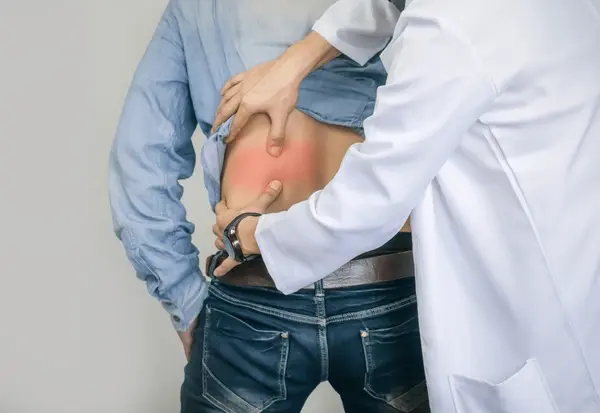
Why Choose The Feel Good Doc?
Dr. Mendoza has been practicing since 2003 and has experience caring for work-related musculoskeletal injuries. Our approach considers both your symptoms and how the injury affects your ability to move and function throughout the day.
When you visit us, you can expect:
Personalized care based on your injury, job demands, and goals
A whole-person approach that considers movement and daily activities
Rehabilitation and exercise guidance to support function
Chiropractic and soft-tissue care when appropriate
Diagnostic options when additional information is needed
Clear explanations about your findings and treatment options
After serving Long Island through our established Freeport and Massapequa locations, we are also bringing the same personalized approach to Centereach and the surrounding Suffolk County community.
Find Work Injury Treatment Near You
If you are looking for work injury treatment near you, we can evaluate your symptoms, consider your job demands, and develop a plan based on your individual needs.
Centereach: 1973 Middle Country Rd., Space 11, Centereach, NY 11720
Freeport: 31 Guy Lombardo Ave., Freeport, NY 11520
Massapequa: 5372 Merrick Rd., Massapequa, NY 11758
For Freeport or Massapequa, call (516) 213-4610. For Centereach, call (631) 519-9907.
FAQs
Can work-related pain develop gradually?
Yes. Some work injuries happen suddenly, while others develop over time with repetitive movements, prolonged positions, or repeated physical demands.
Will I need to stop working?
Not necessarily. Depending on the injury, you may be able to continue working with temporary changes to certain activities. We can discuss appropriate activity levels based on your evaluation and progress.
Will I need an X-ray or MRI?
Not every work injury requires imaging. We may recommend imaging or additional evaluation if it could help us better understand what is causing your symptoms or guide your treatment plan.
Can chiropractic care be combined with rehabilitation?
Yes, when appropriate. Your plan may combine chiropractic care with therapeutic exercise, soft-tissue treatment, movement guidance, or other rehabilitation strategies.
How long will recovery take?
There is no standard timeline. Recovery depends on the injury, your health, job demands, goals, and how you respond to care.
Should I report a work-related injury?
Workplace reporting requirements can vary. If you believe an injury is work-related, check your employer’s reporting process and any applicable insurance requirements.